

Products
- High-Quality Graphene
- CVD Graphene, Graphene-Like Materials
- Graphene-Like Series
- Defect-Free Single-Crystal Graphene and Graphene-Like Materials (Mechanical Exfoliation)
- Quantum Dot Series
- Aggregation-Induced Emission (AIE)
- Near-Infrared II (NIR-II) Fluorescent Dyes
- Graphdiyne
- Two-Dimensional Transition Metal Carbides/Nitrides/Borides (MXene)
- Metal Nanomaterials and Other Functional Bio-Nanomaterials
- Metal-Organic Frameworks (MOF)
- Covalent Organic Frameworks (COF)
- Two-Dimensional Layered Metal Oxides (LDH)
- Carbon Nanotube Powders, Pastes
- Carbon Nanotube Arrays and Special Carbon Nanotube Materials
- High-Quality Metallic and Semiconducting High-Purity Single-Walled Carbon Nanotubes
- Carbon Nanotube Sponges
- Mesoporous Carbon and Carbon Nanomaterials
- High-Quality Fullerenes
- One-Dimensional Nanomaterials
- Molecular Sieves
- Inorganic Nanomaterials
- Perovskite Materials
- Highly Oriented Pyrolytic Graphite (HOPG)
- Organic Materials
- Single-Atom Catalysts
- Thermoelectric Materials
- Sodium Storage Materials
- Industrial-Grade Nanomaterials
- Solid-State Lithium Batteries
- Hydrogel Series and Consumables
Online Inquiry
Solid-State Lithium Batteries
The transition from liquid-electrolyte lithium-ion batteries to all-solid-state architectures represents the most significant inflection point in energy storage technology since the commercialization of lithium cobalt oxide cells in 1991. By eliminating flammable organic electrolytes and replacing them with thermally stable solid ion conductors, solid-state batteries promise simultaneous improvements in energy density, operational safety, and cycle life that conventional liquid systems cannot achieve. The global market for electric vehicle solid-state electrolyte materials alone reached $1.1 billion in 2025 and is projected to surge to $12.8 billion by 2034 at a compound annual growth rate exceeding 32.5%, reflecting the immense commercial momentum behind this technology shift.
At the heart of every solid-state battery lies a solid electrolyte material that must simultaneously exhibit high ionic conductivity (approaching or exceeding 10 mS/cm at room temperature), negligible electronic conductivity, a wide electrochemical stability window spanning both cathode and anode potentials, and compatibility with scalable manufacturing processes. No single material family satisfies all these requirements perfectly; instead, researchers and manufacturers must navigate a complex landscape of trade-offs involving sulfides, oxides, halides, and polymers, each offering distinct advantages and demanding specific processing environments. The materials we supply are engineered to address these challenges at every layer of the solid-state cell stack—from electrolyte separators and cathode composites to lithium metal anodes and interface-engineered coatings.
Our materials portfolio for solid-state lithium battery development spans the four major electrolyte chemistries, advanced cathode active materials, ultra-thin lithium metal anodes, and specialized interface modification layers. Whether your research targets the ultra-high conductivity of sulfide electrolytes, the air stability of oxide garnets, the oxidative durability of halides, or the processing flexibility of polymer composites, we provide phase-pure, characterized materials that accelerate your development timeline. Industrial developers will find materials qualified for pilot-line processing, including argyrodite sulfides produced under inert atmosphere, Al-doped LLZO powders optimized for ceramic sintering, and halide electrolytes with demonstrated compatibility against high-voltage cathodes.
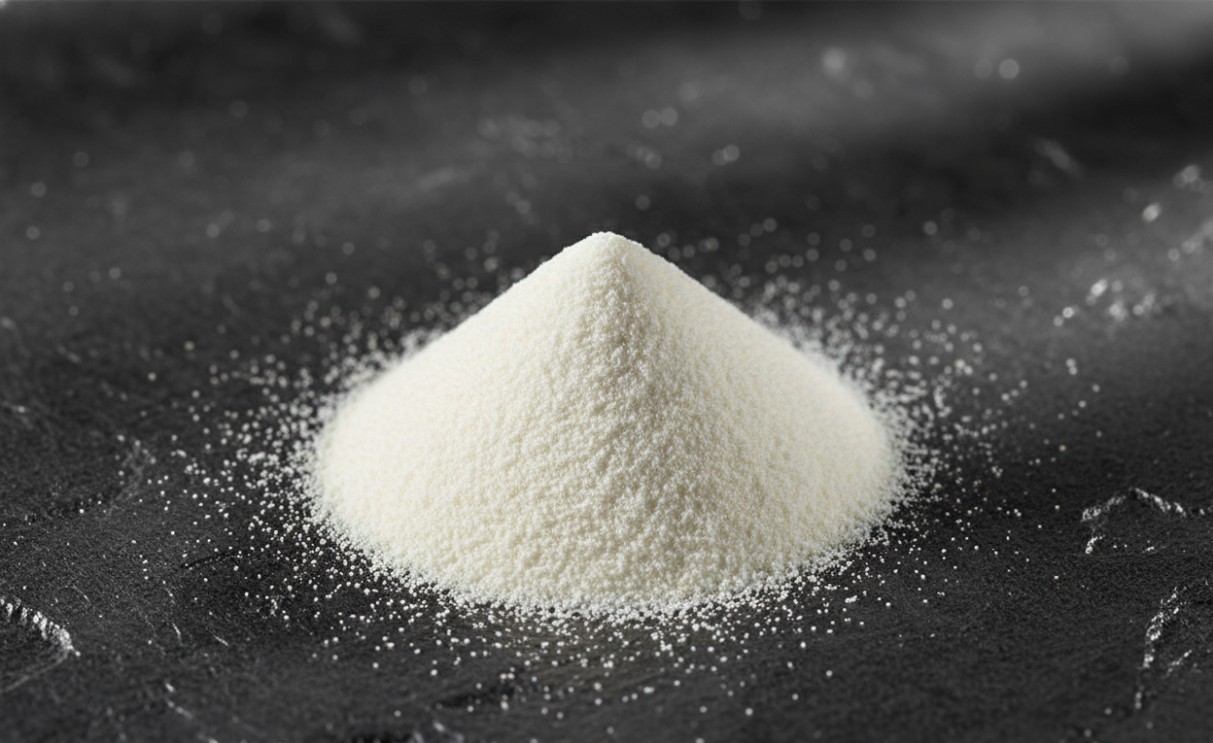 Figure 1: Garnet-type LLZO solid electrolyte powder synthesized by high-temperature solid-state reaction for lithium-metal batteries
Sulfide Solid Electrolytes
Sulfide-based solid electrolytes currently occupy the forefront of solid-state battery development, driven by ionic conductivities that not only match but in some cases surpass those of conventional liquid electrolytes. The thio-LISICON family and its derivatives—most notably Li₁₀GeP₂S₁₂ (LGPS) and the argyrodite Li₆PS₅Cl—have achieved room-temperature conductivities of 12 mS/cm and 6.8-10 mS/cm respectively, enabling cell designs that minimize internal resistance while maximizing rate capability. These materials owe their exceptional performance to highly disordered lithium sublattices that facilitate rapid Li⁺ hopping between adjacent tetrahedral sites, a transport mechanism fundamentally different from the vehicular diffusion governing liquid electrolytes.
Despite their conductivity advantages, sulfide electrolytes present well-documented processing challenges that demand rigorous environmental control. Their chemical instability in ambient atmosphere—manifesting as H₂S release upon moisture exposure—requires all synthesis, handling, and cell assembly operations to occur within glove boxes maintaining oxygen and moisture levels below 1 ppm. Interfacial incompatibility with lithium metal and high-voltage cathodes further complicates cell design, necessitating protective coating strategies such as dual-layer architectures combining an inner Li₃PS₄/LiCl layer for ionic conductivity with an outer LiF/LiPO₄ barrier for oxidation stability. Our sulfide materials are shipped in hermetically sealed containers under inert gas, with particle sizes and phase purity qualified by XRD and electrochemical impedance spectroscopy.
- LGPS (Li₁₀GeP₂S₁₂): 12 mS/cm at 27°C, 0.5-5 μm particle size, cold-press sinterable
- Li₆PS₅Cl argyrodite: 6.8-10 mS/cm, excellent deformability for interfacial contact
- Li₅.₅PS₄.₅Cl₁.₅ with dual-layer coating: 89.1% capacity retention after 250 cycles with NCM523
- O/C co-doped variants: enhanced air stability via passivating Li₂CO₃ interlayer formation
- Packaging: hermetically sealed under argon, O₂/H₂O < 1 ppm handling required
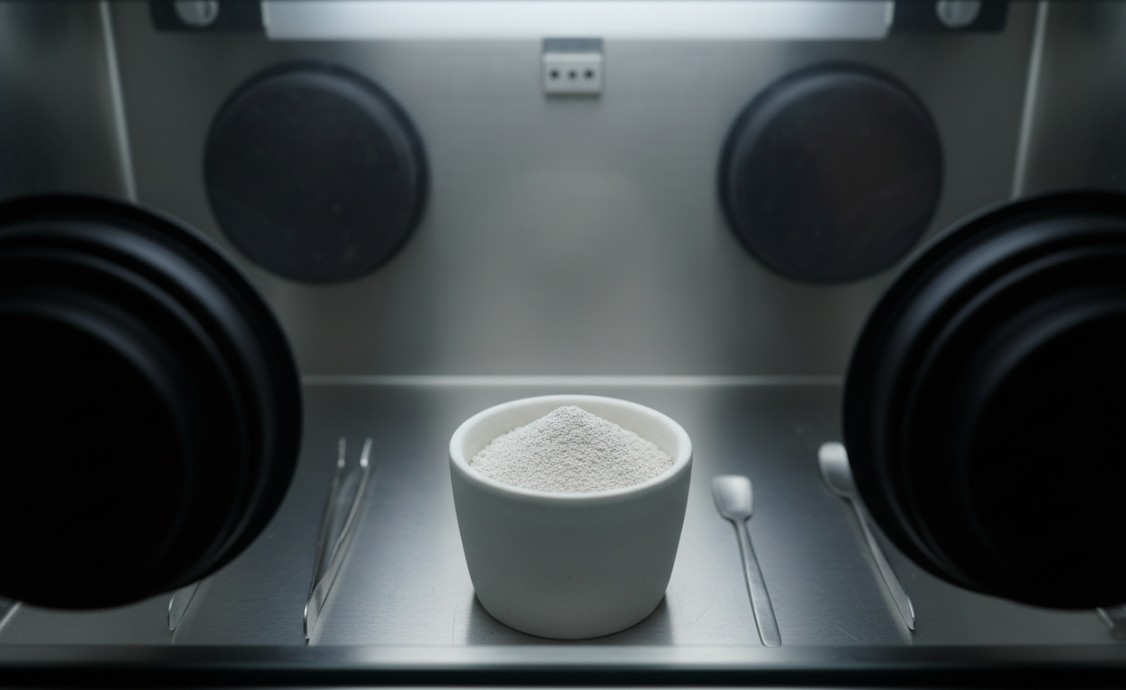 Figure 2: Argyrodite-type sulfide electrolyte powder handled under inert atmosphere conditions
Oxide Solid Electrolytes
Oxide solid electrolytes, and particularly garnet-type Li₇La₃Zr₂O₁₂ (LLZO) and its doped variants, offer a compelling alternative for applications where chemical stability and environmental tolerance outweigh the pursuit of maximum ionic conductivity. LLZO exhibits a wide electrochemical stability window extending from 0 V to over 6 V versus Li/Li⁺, rendering it compatible with both lithium metal anodes and high-voltage cathode chemistries without the interfacial degradation plaguing sulfides. Its cubic phase, stabilized by partial substitution of Zr⁴⁺ with Al³⁺, Ta⁵⁺, or Nb⁵⁺, achieves ionic conductivities of 0.3-1.0 mS/cm at room temperature—sufficient for many stationary storage and moderate-rate applications.
The primary challenge in LLZO-based cell fabrication lies in achieving dense ceramic membranes. Conventional sintering protocols require temperatures exceeding 1000°C and often result in significant lithium loss through volatilization, necessitating excess lithium in precursor formulations and controlled atmosphere furnaces. Emerging cold sintering approaches, assisted by transient solvents and high uniaxial pressures, have demonstrated the ability to produce dense LLZO ceramics at temperatures below 300°C, potentially revolutionizing manufacturing economics. Beyond garnets, NASICON-type Li₁.₃Al₀.₃Ti₁.₇(PO₄)₃ (LATP) and perovskite-type La₂/₃−ₓLi₃ₓTiO₃ (LLTO) offer alternative oxide frameworks with distinct conductivity and stability profiles.
- LLZO (Al-doped cubic): 0.3-1.0 mS/cm, 5-8 μm particle size, sintering temp ~1000°C
- LLZTO (Ta-doped): enhanced conductivity and density, critical current density up to 0.8 mA/cm²
- LATP (Li₁.₃Al₀.₃Ti₁.₇(PO₄)₃): NASICON framework, excellent air stability, aqueous processable
- Available forms: submicron powder for tape casting, spray-dried granules for pressing
Halide Solid Electrolytes
Halide solid electrolytes have emerged as a critically important fourth material family, occupying an intermediate position between sulfides and oxides that addresses the most vexing limitations of each. Chloride-based conductors such as Li₃YCl₆ and Li₃InCl₆ achieve ionic conductivities of 1-3 mS/cm while demonstrating air stability that permits processing in standard dry-room environments rather than the glove-box conditions mandatory for sulfides. Against high-voltage cathodes including NMC811 and lithium-rich manganese oxides, halide electrolytes exhibit oxidative stability extending beyond 4.3 V, surpassing the electrochemical windows of both sulfides and most polymer electrolytes. Recent advances have pushed conductivity even higher: Li₂TaOCl₅ (LTOC) achieves 7 mS/cm, approaching sulfide-level performance with dramatically improved processability.
The air stability of halide electrolytes originates from the strong Li-Cl bonds that resist hydrolysis and oxidation under ambient conditions, enabling weighing, mixing, and electrode coating operations without the elaborate inert-atmosphere infrastructure required for sulfide processing. This practical advantage translates into substantially lower capital expenditure for manufacturing facilities and opens pathways to conventional solvent-based electrode processing techniques. Our halide materials are supplied as phase-pure crystalline powders, with particle sizes optimized for both dry-pressing and slurry-based catholyte composite fabrication.
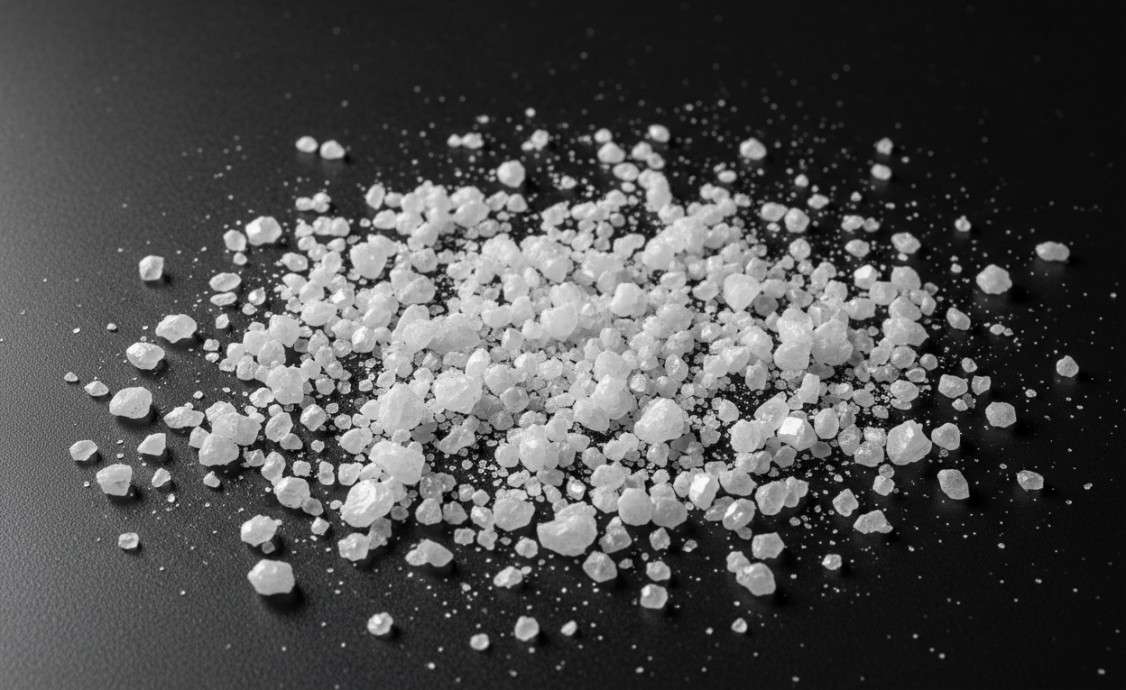 Figure 3: Crystalline halide solid electrolyte combining high ionic conductivity with air-stable processing characteristics
- Li₃YCl₆: 1-2 mS/cm, stable to 4.3 V, dry-room processable
- Li₃InCl₆: 1.4 mS/cm, excellent cathode compatibility
- Li₂TaOCl₅ (LTOC): 7 mS/cm, near-sulfide conductivity with halide stability
- Available as: crystalline powder, ball-milled submicron particles for composite cathodes
Polymer Solid Electrolytes
Polymer-based solid electrolytes occupy a unique niche in the solid-state landscape, offering processing advantages that no inorganic competitor can match: solution casting, roll-to-roll coating, UV curing, and lamination techniques compatible with existing battery and film manufacturing infrastructure. Poly(ethylene oxide) (PEO) complexes with lithium salts—typically LiTFSI or LiPF₆—have served as the foundational polymer electrolyte system for decades, delivering room-temperature conductivities of 0.01-0.1 mS/cm that, while lower than sulfides, prove adequate for moderate-rate applications where mechanical flexibility and interfacial conformability take precedence. Recent breakthroughs in dual-crosslinked polyurethane networks have pushed polymer conductivities to 6.8 mS/cm, achieving liquid-electrolyte parity.
The primary limitation of conventional PEO-based electrolytes is their strong temperature dependence: conductivity below 60°C drops precipitously as the polymer chains transition from amorphous rubbery states to crystalline regimes that immobilize lithium ions. Strategies to suppress crystallization include copolymerization with poly(propylene oxide) or polysiloxane segments, incorporation of ceramic fillers (nano-Al₂O₃, LLZO particles) that disrupt chain packing, and plasticizer addition that maintains amorphous structure at lower temperatures. We supply PEO-based electrolytes as pre-formulated films, solvent-cast membranes, and base polymer resins for in-house formulation, with lithium salt concentrations and additive packages tailored to target operating temperatures.
- PEO-LiTFSI electrolyte film: 50-100 μm thickness, 0.01-0.1 mS/cm at 25°C
- Ceramic-polymer composite (PEO-LLZO): enhanced conductivity and mechanical strength
- UV-curable polymer electrolyte: 6.8 mS/cm, roll-to-roll processable
- Available forms: free-standing films, coated electrodes, base polymer resins
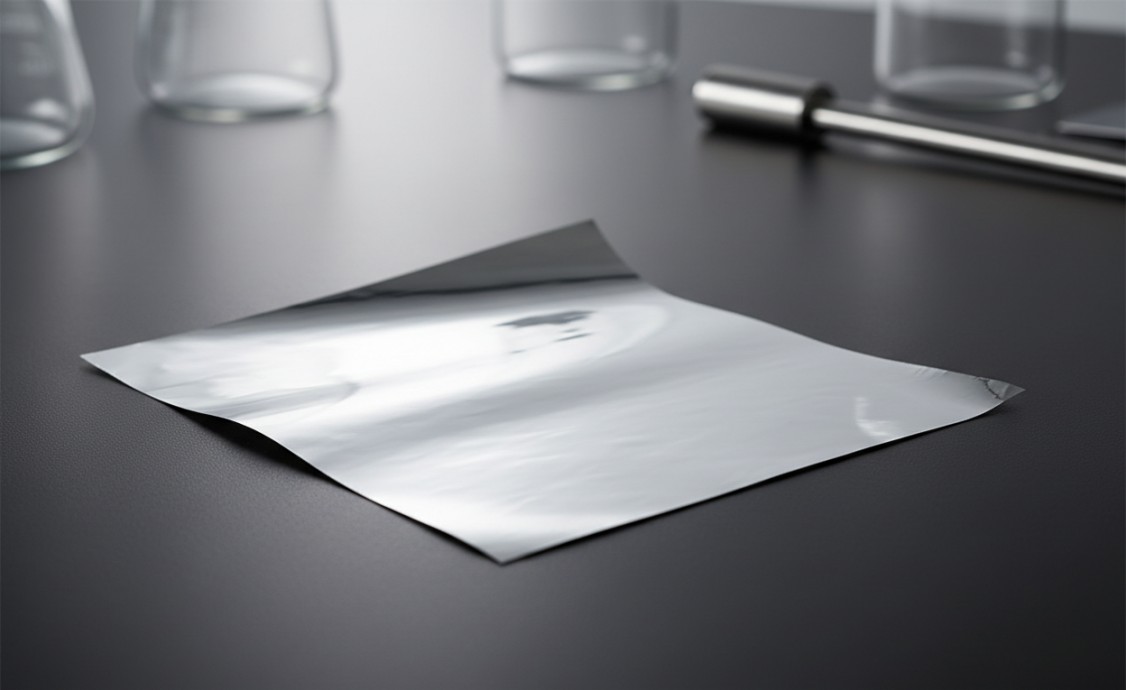 Figure 4: Ultra-thin lithium metal foil for solid-state battery anode applications
Lithium Metal Anodes and Interface Engineering
The pairing of solid electrolytes with lithium metal anodes unlocks the highest possible energy densities for rechargeable batteries, leveraging lithium's unrivaled theoretical specific capacity of 3860 mAh/g and lowest electrochemical potential (-3.04 V versus SHE). Yet the lithium metal anode remains the most formidable challenge in solid-state battery engineering, plagued by dendrite penetration through electrolyte microcracks, interfacial resistance at the solid-solid contact, and volumetric expansion during plating that strains the mechanical integrity of the cell stack. Solving these problems demands not only exceptional electrolyte materials but also carefully engineered interface layers that mediate the thermodynamic and kinetic mismatch between lithium metal and the ceramic or glassy electrolyte surface.
Our portfolio for lithium metal anode integration encompasses ultra-thin lithium foils (10-50 μm) with controlled surface roughness for uniform plating, composite anode architectures wherein lithium is alloyed with aluminum or magnesium to improve dimensional stability, and protective interlayer materials including LiF, Li₃N, and AlF₃-derived coatings that dramatically reduce interfacial resistance while blocking dendrite initiation. The Li-AlF₃ composite anode (LAF) demonstrated in recent research achieves an ultralow interfacial resistance of 3.9 Ω/cm² with LLZTO (compared to 138.6 Ω/cm² for bare lithium) and maintains stable stripping/plating for over 3500 hours, representing a transformative improvement in anode-electrolyte compatibility.
- Ultra-thin Li foil: 10-50 μm thickness, >99.9% purity, battery-grade
- Li-Al alloy anode: improved dimensional stability, reduced dendrite risk
- LAF composite (Li-AlF₃): interfacial resistance 3.9 Ω/cm² with LLZTO
- Protective coatings: LiF, Li₃N, LiH₂PO₄ interlayers for sulfide compatibility
Cathode Materials for Solid-State Batteries
Solid-state battery cathodes differ from their liquid-system counterparts in one critical respect: they must incorporate solid electrolyte material within the composite electrode to establish continuous ionic percolation pathways from the current collector to the separator interface. This composite cathode architecture—typically comprising 60-80% active material, 20-40% solid electrolyte, and 0-5% conductive additive—places stringent requirements on particle morphology, surface chemistry, and mixing homogeneity. High-nickel NMC compositions (NMC811, NMC90) remain the dominant choice for high-energy applications targeting 400-500 Wh/kg cell-level energy density, while lithium iron phosphate (LFP) and lithium-rich manganese-based materials attract interest for cost-sensitive and ultra-high-voltage applications respectively.
The interfacial contact between cathode active material and solid electrolyte directly determines rate capability and cycle life. NCM particles coated with thin LiNbO₃ or Li₄Ti₅O₁₂ layers suppress interfacial degradation and prevent transition metal cross-talk that degrades electrolyte conductivity. For sulfide-based cells, halide electrolyte coatings on NMC surfaces extend cycling stability by blocking direct contact between sulfide and high-voltage cathode surfaces. We supply NMC, LFP, and LCO powders with surface coatings optimized for specific solid electrolyte pairings, along with pre-mixed catholyte composites containing active material and electrolyte in ratios tailored to target areal capacities.
- NMC811 coated: for high-energy sulfide and halide solid-state cells, >200 mAh/g
- NMC523: balanced energy and stability, widely validated with argyrodite electrolytes
- LFP olivine: excellent stability, 150-160 mAh/g, cost-effective for stationary storage
- LCO: 140-150 mAh/g, highest volumetric energy density for consumer electronics
- Pre-mixed catholyte: NMC + Li₆PS₅Cl or halide electrolyte, optimized percolation ratio
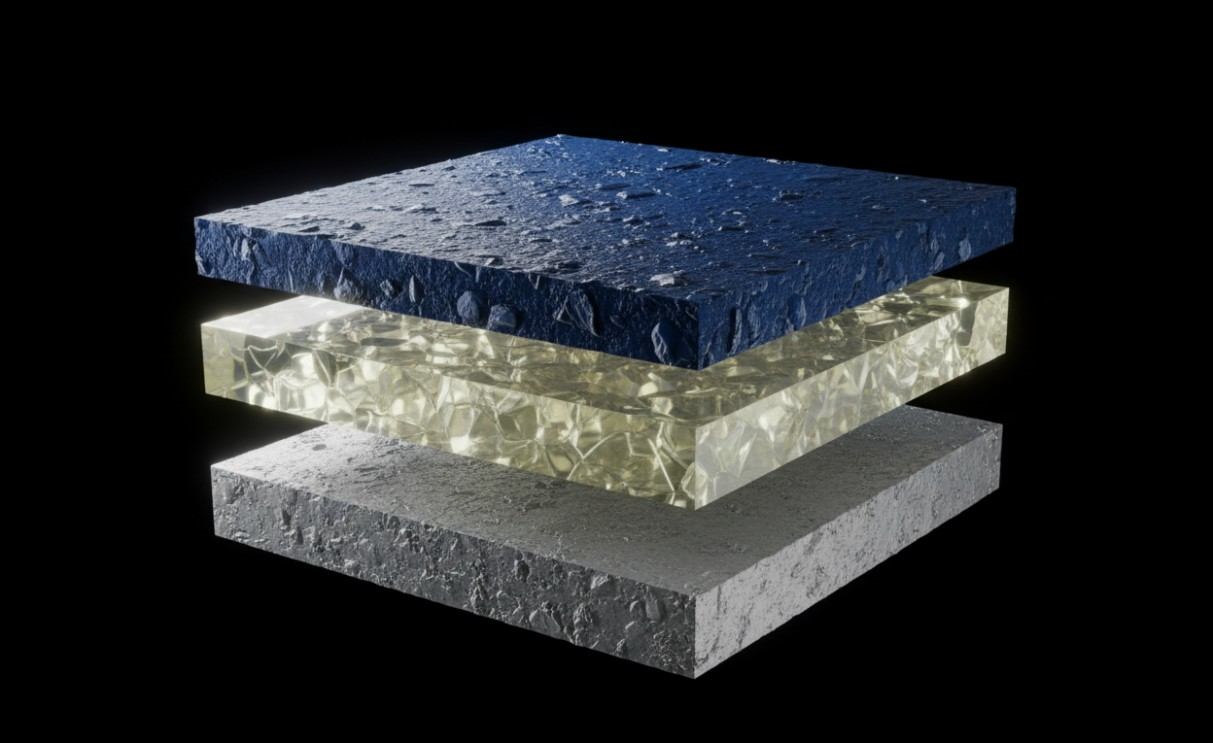 Figure 5: Three-dimensional rendering of a layered all-solid-state battery cell architecture
Applications and Market Outlook
The trajectory of solid-state battery commercialization has accelerated dramatically, with multiple manufacturers announcing production timelines between 2026 and 2030. CATL has demonstrated sulfide-halide composite cells surpassing 500 Wh/kg energy density using high-nickel cathodes paired with lithium metal anodes. Ganfeng Lithium reports 420 Wh/kg all-solid-state prototypes that withstand 200°C hot-box testing without thermal runaway, and its sulfide electrolyte production has reached hundred-tonne annual scale. Gotion High-tech's sulfide-based Jinshi Battery achieves 360 Wh/kg with verified Volkswagen MEB+ platform compatibility. Toyota, Samsung SDI, QuantumScape, and Solid Power have collectively committed billions of dollars to pilot production facilities targeting automotive qualification within the next three to five years.
Beyond electric vehicles, solid-state batteries are gaining traction in aerospace, consumer electronics, and grid-scale energy storage. The inherent non-flammability of solid electrolytes eliminates the fire-safety constraints that have limited lithium-ion deployment in aviation and submarine applications. Miniaturized solid-state cells with LCO cathodes and oxide electrolytes offer energy densities exceeding 400 Wh/L for wearable devices and medical implants. For stationary storage, the extended cycle life projected for solid-state systems—potentially exceeding 10,000 cycles—promises to reduce levelized cost of storage below that of current lithium iron phosphate systems.
- Electric vehicles: 400-500+ Wh/kg targets, Toyota/BMW/Ford production 2027-2030
- Aerospace and defense: non-flammable, wide temperature operation (-40°C to +80°C)
- Consumer electronics: 400+ Wh/L volumetric density for smartphones and wearables
- Grid storage: 10,000+ cycle life potential, reduced long-term cost of ownership
Customization and Technical Services
Solid-state battery development is inherently multidisciplinary, requiring precise coordination of electrolyte chemistry, electrode formulation, interface engineering, and processing methodology. We offer comprehensive customization services that address each of these dimensions. For electrolyte materials, custom synthesis capabilities include controlled dopant concentrations (Al, Ta, Nb for LLZO; Ge, Si for sulfides; mixed halide compositions), particle size engineering from submicron to tens of microns, and surface functionalization to enhance compatibility with specific electrode chemistries. Our materials scientists can design composite electrolyte architectures that combine the conductivity of sulfides with the stability of oxides or halides in functionally graded multilayer structures.
On the electrode side, we formulate composite cathodes with optimized active-material-to-electrolyte ratios for target areal capacities, deposit thin-film protective interlayers on both cathode and anode surfaces, and supply prototype cell stacks assembled under inert atmosphere for direct electrochemical validation. Scale flexibility ranges from gram quantities for high-throughput materials screening to kilogram batches for pilot-line trials, with packaging and shipping protocols matched to each material's environmental sensitivity. Our applications engineering team is available to consult on cell design, processing parameter optimization, and failure-mode analysis throughout your solid-state battery development program.
| Catalog Number | Product Name | Order | Quantity |
|---|---|---|---|
| SSLB-0001 | Solid-State Battery Mold |
-
+
|
|
| SSLB-0002 | Constant Pressure Solid-State Battery Mold |
-
+
|
|
| SSLB-0003 | Single Crystal Lithium-Rich Manganese-Based Cathode Material |
-
+
|
|
| SSLB-0004 | LPSC Sulfide Solid Electrolyte (Li₅.₅PS₄.₅Cl₁.₅) |
-
+
|
|
| SSLB-0005 | LPSC Sulfide Solid Electrolyte (Li₆PS₅Cl) |
-
+
|
|
| SSLB-0006 | LLZTO Oxide Solid Electrolyte Submicron Powder <300 nm |
-
+
|
|
| SSLB-0007 | LLZTO Oxide Solid Electrolyte Submicron Powder (<500 nm) |
-
+
|
|
| SSLB-0008 | NZSP Oxide Solid Electrolyte (Na₃Zr₂Si₂PO₁₂) |
-
+
|
|
| SSLB-0009 | LATP Oxide Solid Electrolyte (Li₁.₃Al₀.₃Ti₁.₇(PO₄)₃) |
-
+
|
|
| SSLB-0010 | LIC Halide Solid Electrolyte (Li₃InCl₆) |
-
+
|
For Research or Industrial Raw Materials, Not For Personal Medical Use!