

Products
- High-Quality Graphene
- CVD Graphene, Graphene-Like Materials
- Graphene-Like Series
- Defect-Free Single-Crystal Graphene and Graphene-Like Materials (Mechanical Exfoliation)
- Quantum Dot Series
- Aggregation-Induced Emission (AIE)
- Near-Infrared II (NIR-II) Fluorescent Dyes
- Graphdiyne
- Two-Dimensional Transition Metal Carbides/Nitrides/Borides (MXene)
- Metal Nanomaterials and Other Functional Bio-Nanomaterials
- Metal-Organic Frameworks (MOF)
- Covalent Organic Frameworks (COF)
- Two-Dimensional Layered Metal Oxides (LDH)
- Carbon Nanotube Powders, Pastes
- Carbon Nanotube Arrays and Special Carbon Nanotube Materials
- High-Quality Metallic and Semiconducting High-Purity Single-Walled Carbon Nanotubes
- Carbon Nanotube Sponges
- Mesoporous Carbon and Carbon Nanomaterials
- High-Quality Fullerenes
- One-Dimensional Nanomaterials
- Molecular Sieves
- Inorganic Nanomaterials
- Perovskite Materials
- Highly Oriented Pyrolytic Graphite (HOPG)
- Organic Materials
- Single-Atom Catalysts
- Thermoelectric Materials
- Sodium Storage Materials
- Industrial-Grade Nanomaterials
- Solid-State Lithium Batteries
- Hydrogel Series and Consumables
Online Inquiry
Sodium Storage Materials
Sodium-ion battery technology has undergone a remarkable transformation from academic curiosity to commercially viable energy storage solutions, driven by the imperative to diversify beyond lithium-dependent supply chains and capitalize on sodium's virtually unlimited abundance in seawater and mineral deposits. With the global energy storage sodium-ion battery market projected to expand from $0.39 billion in 2026 to $3.67 billion by 2036 at a compound annual growth rate exceeding 25%, the demand for high-performance sodium storage electrode materials has never been more urgent. Research institutions and industrial developers alike are racing to optimize the key materials that determine cell-level energy density, cycle life, and safety performance.
Unlike lithium-ion systems that rely on graphite anodes incapable of accommodating the larger sodium ion (ionic radius 1.02 Å versus 0.76 Å for lithium), sodium-ion batteries demand purpose-engineered materials with expanded interlayer spacing, open frameworks, or alloying chemistries that can reversibly host sodium ions during charge and discharge. This fundamental difference has spawned a rich materials ecosystem encompassing hard carbon anodes, layered transition metal oxide cathodes, polyanionic phosphate frameworks, and Prussian blue analogues—each offering distinct performance trade-offs that must be carefully matched to the target application. The figure of merit for sodium storage materials extends beyond simple capacity metrics to include rate capability, operating voltage, air stability, and compatibility with electrolyte formulations.
Our sodium storage materials portfolio spans the complete electrode material supply chain, from anode precursors and cathode active powders to formulated electrode slurries and custom-engineered composites. Leveraging partnerships with leading research groups and manufacturing facilities, we deliver materials qualified for both laboratory-scale cell development and pilot-line electrode production. Every batch is subjected to rigorous electrochemical validation, compositional analysis, and morphological characterization to ensure reproducible performance in full-cell configurations.
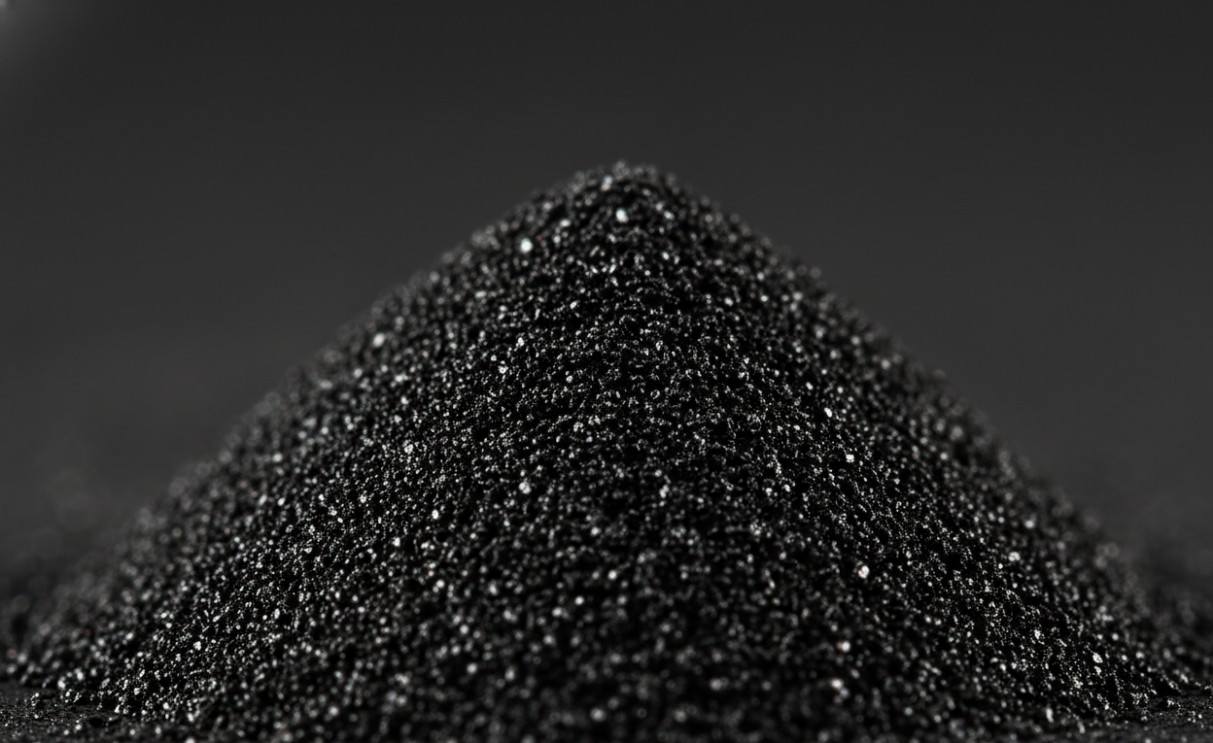 Figure 1: Hard carbon powder prepared by pyrolysis of biomass precursors for sodium-ion battery anodes
Hard Carbon Anode Materials
Hard carbon stands as the most mature and commercially deployed anode material for sodium-ion batteries, distinguished by its disordered turbostratic structure that provides interlayer spacings of 0.37-0.40 nm—sufficiently large to permit reversible sodium-ion intercalation where crystalline graphite fails. The seemingly amorphous architecture of hard carbon, comprising randomly oriented graphene sheets interspersed with closed nanopores, enables a dual sodium storage mechanism: adsorption of sodium ions at defect sites and within micropores at low potentials, combined with intercalation between graphitic layers at higher voltages. This mechanistic versatility delivers reversible capacities typically ranging from 250 to 350 mAh/g, depending on precursor selection and thermal processing conditions.
Precursor chemistry and carbonization protocol profoundly influence the electrochemical performance of hard carbon anodes. Biomass-derived precursors—including coconut shells, corn cobs, wood cellulose, and agricultural residues—offer sustainable and cost-effective routes to high-performance hard carbon, with controlled pyrolysis at 1000-1500°C optimizing the balance between surface area, pore structure, and electrical conductivity. Synthetic precursors such as phenolic resins and polyacrylonitrile provide greater batch-to-batch consistency and enable fine-tuning of microstructural parameters through chemical crosslinking and pre-oxidation treatments. The latest generation of Joule heating synthesis achieves ultrafast carbonization within seconds rather than hours, reducing energy consumption while yielding hard carbon with exceptional rate capability due to kinetically trapped defect structures.
- Biomass-derived hard carbon (coconut shell, corn cob, cellulose): 250-320 mAh/g, first-cycle ICE 70-85%
- Resin-based hard carbon (phenolic resin): 300-350 mAh/g, controlled pore architecture
- Surface-modified hard carbon: N-doped or S-doped variants for enhanced ICE and rate performance
- Available morphologies: irregular powder, spherical microbeads, composite granules
- Particle sizes: D50 from 2 μm to 20 μm, customizable for electrode coating processes
Layered Oxide Cathode Materials
Layered transition metal oxides with the general formula NaₓMO₂ (where M represents combinations of Ni, Mn, Fe, Co, Ti, or Mg) constitute the highest-energy-density cathode platform for sodium-ion batteries, offering specific capacities of 120-160 mAh/g and average discharge voltages of 2.8-3.4 V versus Na/Na⁺. These materials adopt the α-NaFeO₂ structure (space group R-3m), consisting of alternating layers of edge-sharing MO₆ octahedra and sodium-ion slabs that enable two-dimensional diffusion pathways. The O3-type polymorph, with sodium occupying octahedral sites between oxygen layers in an ABC oxygen stacking sequence, delivers the highest volumetric energy density and has been the focus of most commercial development efforts.
Among the numerous compositions explored, the NaNi₁/₃Mn₁/₃Fe₁/₃O₂ (NFM) system has emerged as the leading candidate for commercialization, balancing capacity, cycle stability, cost, and air stability better than alternatives. Partial substitution of manganese with niobium or titanium further enhances rate capability and suppresses the detrimental P3-O3 phase transitions that cause capacity fade during extended cycling. Our NFM materials are synthesized via co-precipitation followed by high-temperature solid-state reaction, yielding spherical secondary particles with D50 of 5-12 μm that exhibit excellent packing density and flowability for electrode manufacturing.
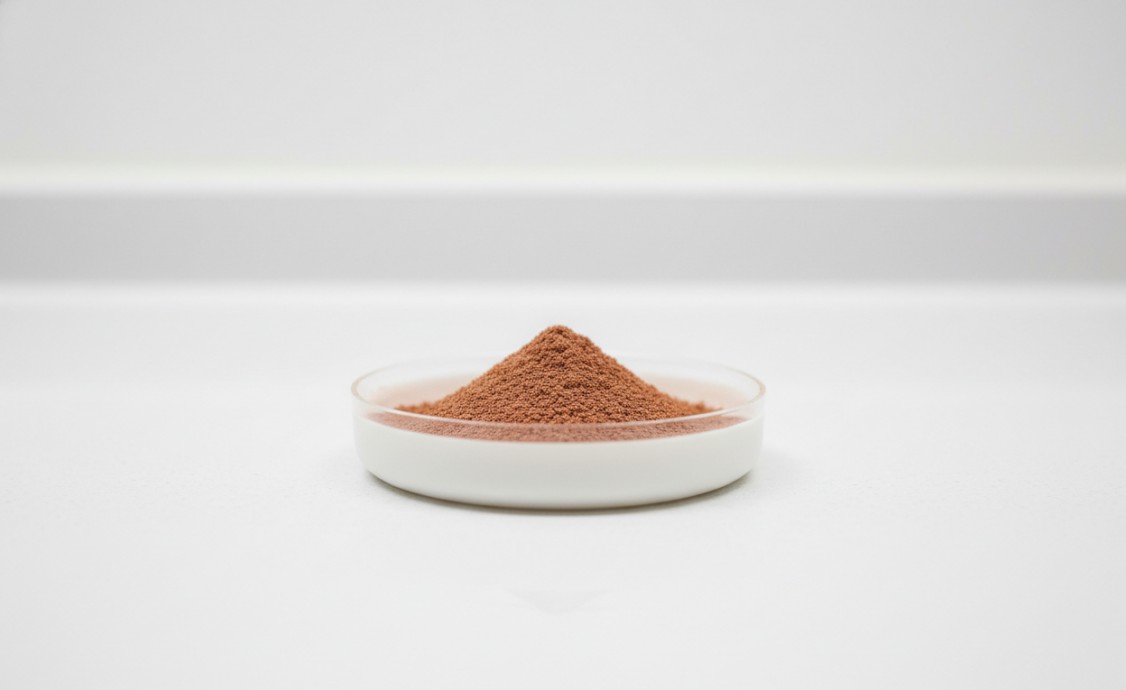 Figure 2: Layered oxide cathode material (NaNi₁/₃Mn₁/₃Fe₁/₃O₂) prepared by co-precipitation and calcination
- NaNi₁/₃Mn₁/₃Fe₁/₃O₂ (NFM): 130-150 mAh/g at 0.1C, 2.0-4.0 V, excellent cycle stability
- NaNi₀.₃Mn₀.₇O₂ (NM-37): 160-180 mAh/g, higher nickel content for energy-density applications
- NaFeO₂-based solid solutions: low-cost, iron-rich compositions for cost-sensitive grid storage
- Doped variants (Nb, Ti, Mg): enhanced rate capability and structural stability
- Morphology: spherical secondary particles optimized for electrode coating
Polyanionic Cathode Materials
Polyanionic compounds have garnered substantial attention for grid-scale sodium-ion battery applications where cycle life and thermal safety outweigh the pursuit of maximum energy density. The three-dimensional framework constructed from phosphate (PO₄)³⁻, pyrophosphate (P₂O⁷)⁴⁻, or fluorophosphate ((PO₄)F)³⁻ units provides robust structural integrity during sodium extraction and insertion, virtually eliminating the oxygen release and thermal runaway risks associated with layered oxide cathodes. This intrinsic safety advantage, combined with exceptional cycle durability exceeding 6000 cycles in optimized formulations, makes polyanionic materials the chemistry of choice for stationary energy storage systems requiring 20-year service lifetimes.
Na₃V₂(PO₄)₂F₃ (NVPF) represents the state-of-the-art fluorophosphate cathode, delivering a high operating potential of 3.95 V and specific capacities near 120 mAh/g. However, the vanadium content raises cost and toxicity concerns for large-scale deployment. As an alternative, Na₄Fe₃(PO₄)₂P₂O⁷ (NFPP) eliminates vanadium entirely while offering over 6000 cycles with 80% capacity retention and outstanding thermal stability up to 400°C. The NASICON-type Na₃V₂(PO₄)₃ (NVP) provides a three-dimensional sodium diffusion network that enables exceptional rate capability, making it suitable for power-intensive applications.
- Na₃V₂(PO₄)₂F₃ (NVPF): 3.95 V average potential, ~120 mAh/g, high energy density
- Na₄Fe₃(PO₄)₂P₂O⁷ (NFPP): >6000 cycles, vanadium-free, excellent thermal stability
- Na₃V₂(PO₄)₃/C (NASICON): outstanding rate capability, 3D Na⁺ diffusion
- Available as: carbon-coated powders, spray-dried microspheres, customized tap densities
Prussian Blue Analogue Cathode Materials
Prussian blue and its analogues have re-emerged as compelling cathode materials for sodium-ion batteries, distinguished by a unique open-framework crystal structure featuring large interstitial channels capable of rapid sodium-ion transport. The fully sodiated form, termed Prussian white (Na₂Mn[Fe(CN)₆]), achieves theoretical capacities of approximately 170 mAh/g at average voltages near 3.4 V, while the facile three-dimensional diffusion pathways enable remarkable rate capability—delivering over 80% of rated capacity at 10C discharge rates that would cripple most insertion cathodes. These kinetic advantages originate from the rigid cyanide-bridged metal framework that remains structurally stable throughout sodiation and desodiation, with minimal volume change (<5%) that eliminates the mechanical degradation plaguing layered oxide cathodes.
High-purity Prussian white materials require carefully controlled synthesis to minimize defects and interstitial water, both of which degrade cycle performance and elevate first-cycle irreversible capacity. Our materials employ a low-temperature precipitation method followed by controlled dehydration under inert atmosphere, yielding phase-pure powders with low water content (<3 wt%) and high crystallinity. The resulting cathode active materials demonstrate initial discharge capacities exceeding 130 mAh/g with initial Coulombic efficiency above 95% when paired with hard carbon anodes in full-cell configurations.
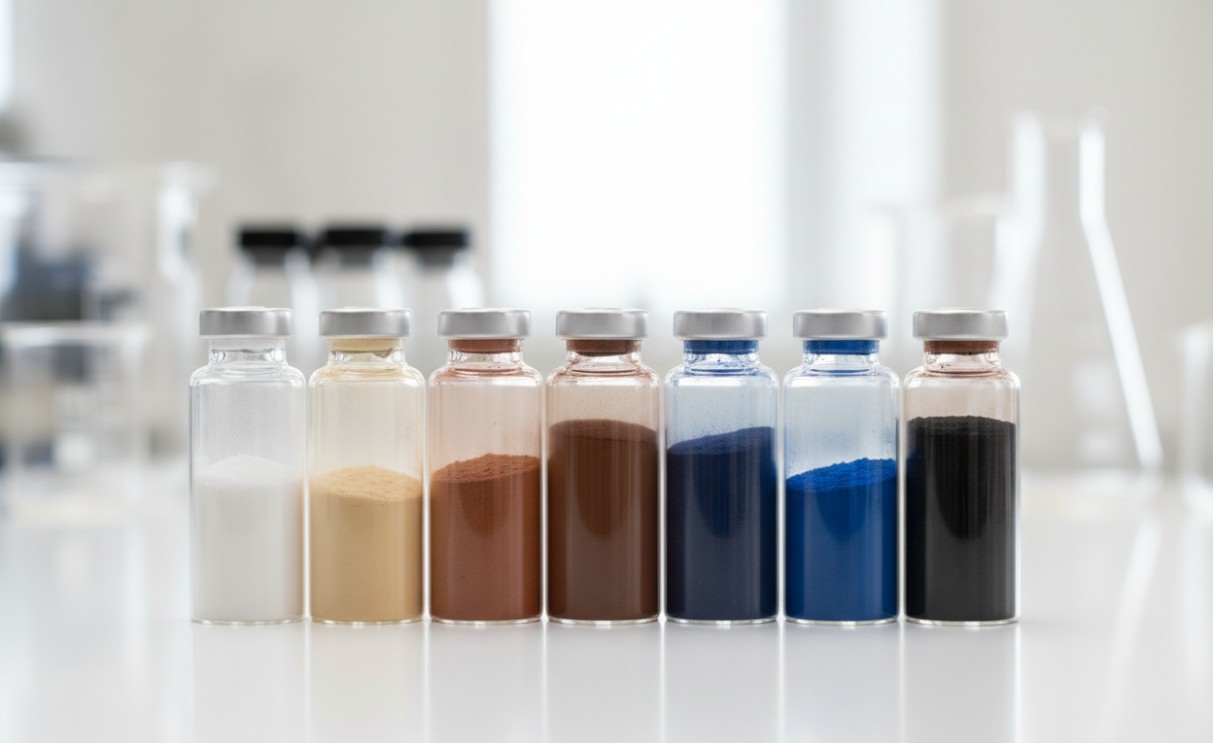 Figure 3: Collection of sodium-ion battery cathode materials including layered oxides, polyanionic compounds, and Prussian blue analogues
- Prussian White (Na₂Mn[Fe(CN)₆]): ~130-140 mAh/g, 3.4 V, exceptional rate capability
- Prussian Blue (Na₂MnFe(CN)₆): high purity, low interstitial water, excellent cycling stability
- Nickel-substituted variants: higher operating voltage, enhanced energy density
- Particle size: D50 0.5-5 μm, optimized for high-loading electrode formulations
Alloy-Type and Conversion-Type Anode Materials
For next-generation sodium-ion batteries targeting energy densities competitive with lithium iron phosphate systems, alloy-type anodes based on tin, antimony, and phosphorus offer theoretical capacities far exceeding those of hard carbon—up to 990 mAh/g for Sn, 660 mAh/g for Sb, and 2600 mAh/g for phosphorus. These materials store sodium through alloying reactions that form distinct Na-M intermetallic phases, delivering high volumetric and gravimetric energy densities that could enable sodium-ion cells exceeding 200 Wh/kg at the pack level. The primary challenge lies in managing the severe volume expansion during sodiation—exceeding 400% for tin—which causes particle pulverization, electrical contact loss, and rapid capacity fade unless mitigated through nanostructuring or composite engineering.
Our approach to high-capacity alloy anodes centers on nanocomposite architectures wherein active alloy nanoparticles are embedded within conductive carbon matrices that buffer mechanical stress while maintaining electronic percolation. Sn/C composites prepared by high-energy ball milling deliver stable capacities of 400-500 mAh/g over 200 cycles, while Sb/C nanocomposites achieve 500-600 mAh/g with excellent rate capability due to the smaller volume expansion of antimony relative to tin. For researchers exploring fundamental alloying mechanisms, we supply phase-pure Sn, Sb, and Bi nanopowders as well as pre-sodiated reference materials for half-cell studies.
- Sn/C nanocomposite anodes: 400-500 mAh/g reversible capacity, engineered particle size
- Sb/C nanocomposite anodes: 500-600 mAh/g, lower volume expansion than Sn
- Phase-pure metal nanopowders (Sn, Sb, Bi): for fundamental research and composite formulation
- Conversion-type oxides (Fe₃O₄, Co₃O₄): for high-power applications
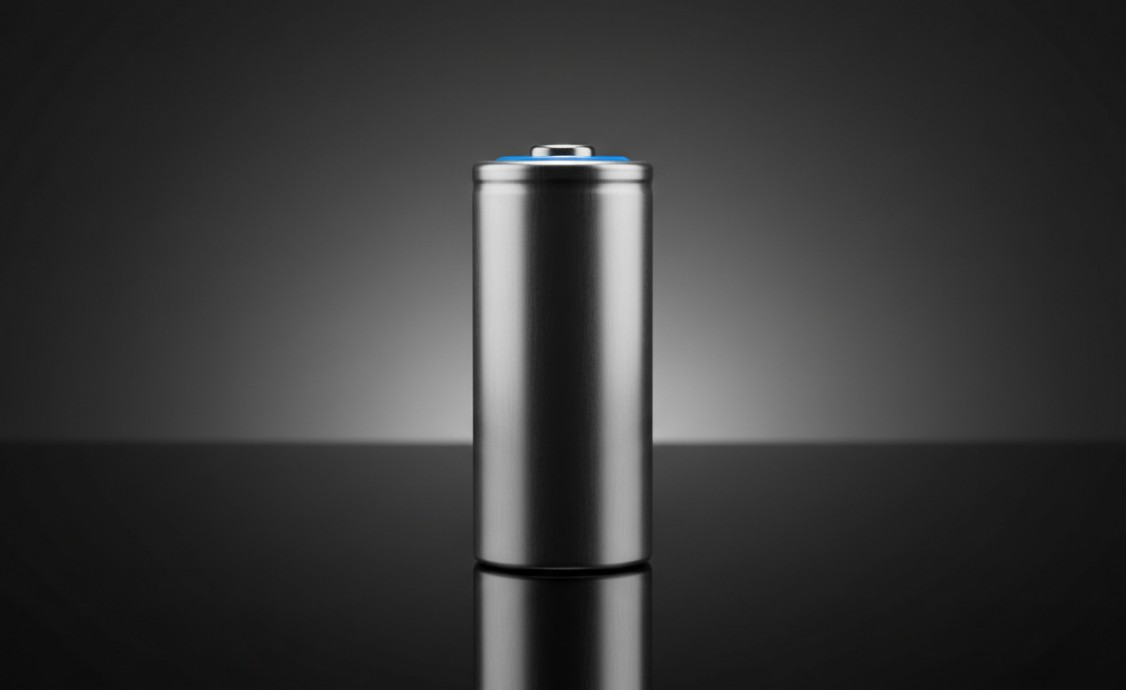 Figure 4: Cylindrical sodium-ion battery cell for energy storage applications
Applications of Sodium Storage Materials
The deployment of sodium-ion batteries is accelerating across multiple market segments, with grid-scale energy storage representing the largest and fastest-growing application. Utilities and grid operators worldwide are commissioning sodium-ion battery systems for bulk energy shifting, capacity firming, and renewable integration—functions that capitalize on the technology's cost advantages, wide operating temperature range (-40°C to +60°C), and inherent safety profile. China leads deployment with over 4 GWh of utility-scale sodium-ion storage commissioned during 2024-2025, while pilot projects in the United States, Europe, and India are validating the technology for diverse climatic conditions.
Commercial and industrial storage represents the second-largest market opportunity, with manufacturing facilities, data centers, and logistics hubs deploying on-site sodium-ion systems for peak demand management and backup power. The reduced fire risk compared to conventional lithium-ion chemistries simplifies installation permits and insurance requirements, particularly for indoor deployments. In the mobility sector, sodium-ion batteries are gaining traction for two-wheelers, three-wheelers, and small electric vehicles where cost and safety take precedence over maximum range. CATL's mass production of next-generation sodium-ion cells by 2026 signals industry confidence in manufacturing scalability.
- Grid-scale energy storage: utility-scale battery systems for renewable integration and peak shaving
- Commercial and industrial: on-site storage for demand charge management and backup power
- Microgrids and remote installations: temperature-resilient systems for harsh environments
- Light electric mobility: two-wheelers, three-wheelers, and small EVs
- Residential energy storage: cost-effective home battery systems
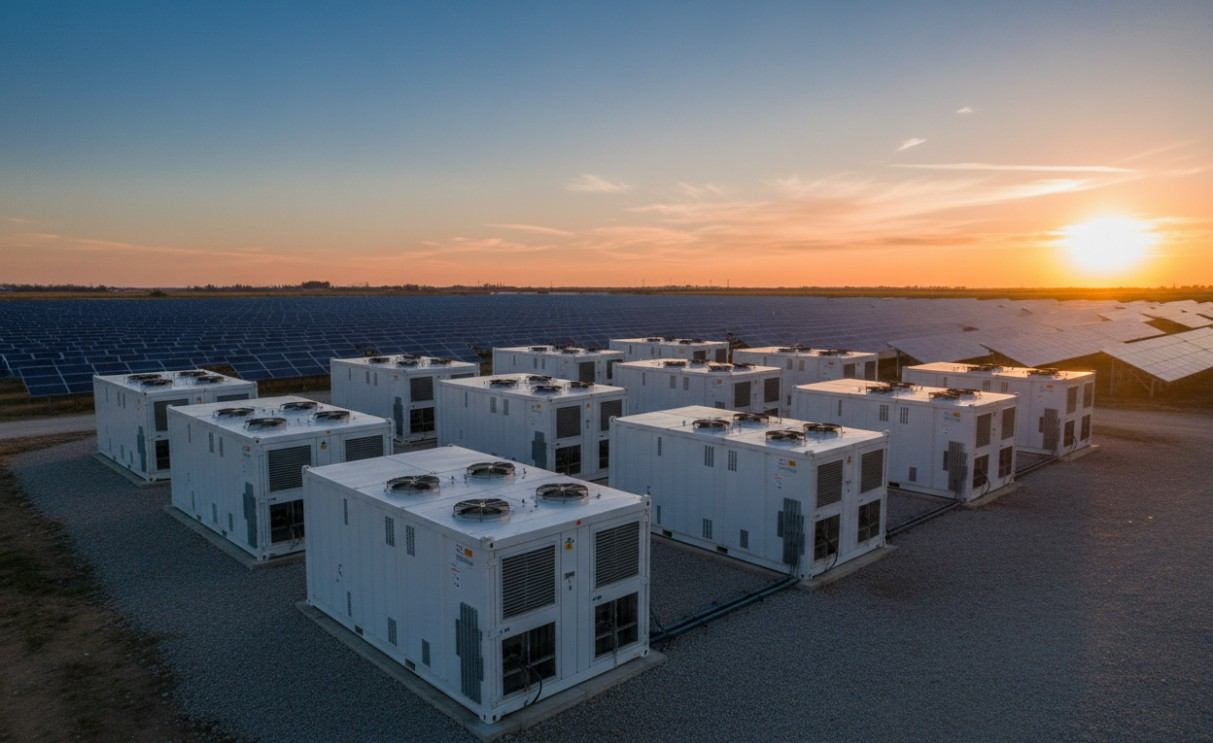 Figure 5: Grid-scale sodium-ion battery energy storage system integrated with solar photovoltaic power generation
Quality Assurance and Characterization
Consistency and reproducibility are paramount when supplying electrode materials for battery development, where small variations in composition or morphology can translate into significant performance differences at the cell level. Our quality assurance program encompasses a comprehensive suite of analytical techniques applied to every production batch. X-ray diffraction (XRD) verifies phase purity and crystallinity; inductively coupled plasma optical emission spectroscopy (ICP-OES) confirms elemental stoichiometry; and laser diffraction particle size analysis ensures the specified D10/D50/D90 distribution is met. Surface area measurements by nitrogen adsorption (BET method) and pore size distribution analysis provide additional insight into the microstructural features that govern electrochemical performance.
Electrochemical validation serves as the ultimate quality gate. Representative samples from each batch are fabricated into coin-type half-cells (CR2032) using standardized electrode formulations, electrolyte compositions, and cycling protocols. Capacity-voltage profiles at multiple rates, long-term cycling data (100 cycles minimum), and rate capability tests establish benchmark performance metrics that are documented on the certificate of analysis accompanying every shipment. For customers developing full-cell systems, we offer pre-screening services to identify the optimal anode-cathode pairing and electrolyte formulation for their specific requirements.
Customization and Special Requirements
Battery material development is inherently iterative, requiring systematic exploration of composition space, particle architecture, and surface chemistry to achieve target performance metrics. We offer comprehensive customization services tailored to the needs of both academic research groups and industrial R&D teams. Custom synthesis capabilities include non-stoichiometric compositions, multi-element doping strategies, and gradient structures designed to mitigate interfacial degradation. For customers requiring specific morphological features—such as hollow spheres, core-shell architectures, or single-crystal particles—our process engineering team can adapt hydrothermal, sol-gel, or spray-pyrolysis protocols to realize the desired microstructure.
Scale flexibility distinguishes our service model: gram-scale batches for high-throughput screening experiments, kilogram-scale lots for electrode pilot-line trials, and tonne-scale production for commercial cell manufacturing. We also provide electrode formulation support, including conductive additive and binder selection, slurry mixing protocols, and coating parameter optimization. Whether you are publishing fundamental research, qualifying materials for prototype cells, or securing supply chains for production ramp-up, our applications engineering team stands ready to accelerate your sodium-ion battery development program.
| Catalog Number | Product Name | Order | Quantity |
|---|---|---|---|
| SSM-0001 | Carbon Cloth Substrate Material |
-
+
|
|
| SSM-0002 | Microcrystalline Graphite Fiber Paper |
-
+
|
|
| SSM-0003 | 3D Graphene/Hard Carbon Composite (Foam) |
-
+
|
|
| SSM-0004 | Carbon Cloth/Hard Carbon Composite |
-
+
|
|
| SSM-0005 | Graphene Foam |
-
+
|
|
| SSM-0006 | Soft Carbon Fiber Cloth |
-
+
|
|
| SSM-0007 | Hard Carbon Paper |
-
+
|
|
| SSM-0008 | Two-Dimensional Porous Carbon Nanosheets |
-
+
|
|
| SSM-0009 | Graphene/Porous Carbon Composite Powder |
-
+
|
|
| SSM-0010 | Porous Self-Supporting Hard Carbon Paper |
-
+
|
For Research or Industrial Raw Materials, Not For Personal Medical Use!