

Drug Delivery Systems Customized Services
The difference between a promising drug candidate and a successful therapeutic often comes down to one critical factor: how the drug reaches its target. Poor solubility, rapid clearance, off-target toxicity, and inability to cross biological barriers have derailed countless otherwise excellent compounds. At Eata Nanomaterials, our drug delivery systems customized services transform these challenges into engineered solutions.
We design, formulate, and characterize advanced nanocarrier systems that precisely control where, when, and how a drug is released in the body. Our expertise spans the full spectrum of drug delivery platforms — from lipid-based vesicles to polymeric nanoparticles, from nanocrystal suspensions to stimuli-responsive smart carriers. Every system we develop is purpose-built around the physicochemical properties of your active pharmaceutical ingredient, the anatomy of your target tissue, and the demands of your administration route.
Liposome & Lipid-Based Drug Delivery Systems
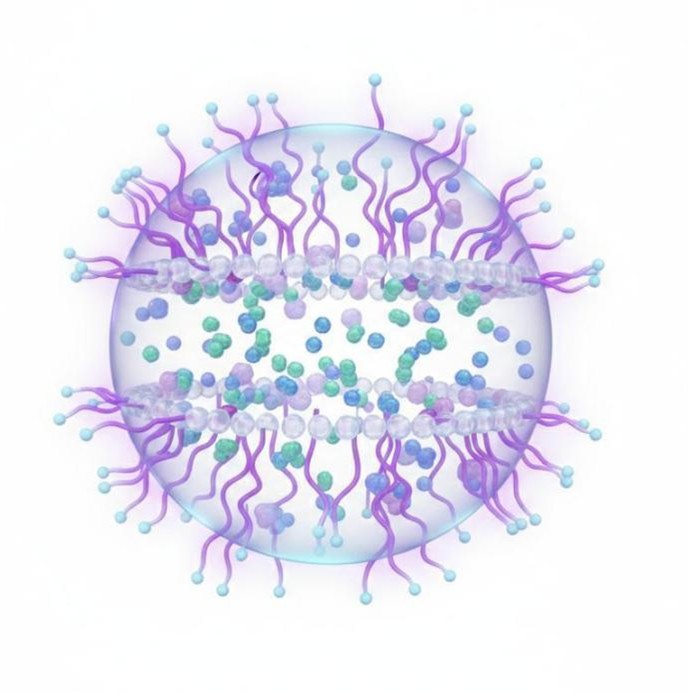 Figure 1: PEGylated liposome vesicle with phospholipid bilayer structure and encapsulated drug payload
Liposomes remain one of the most clinically validated nanocarrier platforms, with numerous FDA-approved products spanning oncology, antifungal therapy, and vaccines. Their structural resemblance to biological membranes affords exceptional biocompatibility, while their aqueous core and lipid bilayer can simultaneously accommodate both hydrophilic and hydrophobic drugs.
Our liposome development services produce formulations tailored to your specific payload and application. We engineer conventional liposomes, PEGylated stealth liposomes for prolonged circulation, targeted immunoliposomes decorated with antibodies or ligands, and stimuli-responsive liposomes that release cargo in response to pH, temperature, or enzymatic triggers.
What our liposome service encompasses:
- Formulation design: Selection of phospholipids (DSPC, HSPC, DOPC, egg PC), cholesterol content, and charged lipids to optimize stability, fluidity, and drug loading for your specific API.
- Encapsulation optimization: Passive and active loading strategies — thin-film hydration, reverse-phase evaporation, ethanol injection, and remote loading techniques for amphipathic drugs.
- Surface engineering: PEGylation, antibody conjugation, peptide ligand insertion, and targeting moiety attachment for active and passive targeting strategies.
- Downstream processing: Extrusion, tangential flow filtration, sterile filtration, and lyophilization to produce stable, clinical-grade formulations.
Polymeric Nanoparticle Drug Delivery Systems
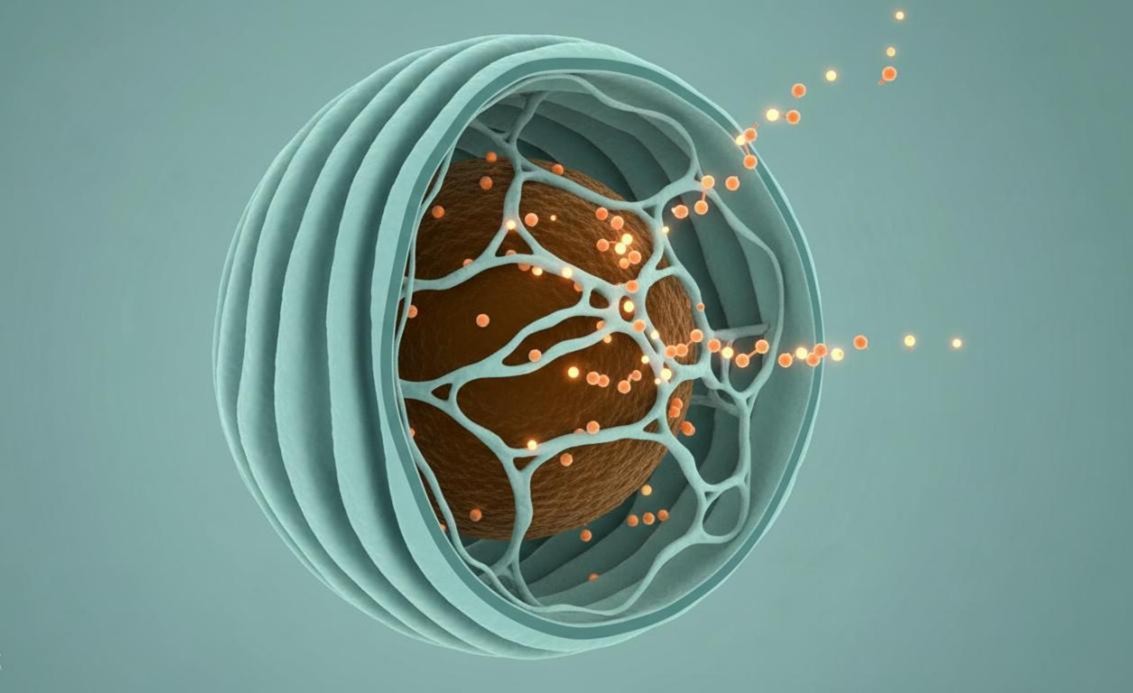 Figure 2: PLGA polymeric nanoparticle cross-section showing layered polymer matrix with dispersed drug molecules diffusing through porous channels
Polymeric nanoparticles offer extraordinary versatility in drug delivery. Through careful selection of polymer chemistry, molecular weight, and copolymer ratio, we can engineer particles that release drugs over days, weeks, or even months with remarkable precision. Biodegradable polymers such as PLGA, PLA, and PCL provide sustained release through gradual matrix erosion, while hydrophilic coatings like PEG and poloxamers confer stealth properties and mucoadhesion.
Our polymeric nanoparticle development program addresses both small molecule and macromolecular delivery challenges. Hydrophobic drugs achieve dramatically enhanced solubility through nanoencapsulation. Proteins and peptides are shielded from enzymatic degradation. Nucleic acids benefit from cationic polymer complexation that promotes cellular uptake and endosomal escape.
Polymer platforms we work with:
- PLGA / PLA nanoparticles: The gold standard for controlled release; tunable degradation rates from weeks to months by adjusting lactide:glycolide ratio and molecular weight.
- Chitosan-based systems: Naturally mucoadhesive and antimicrobial; excellent for oral, ocular, and transmucosal drug delivery with enhanced permeation.
- PEG-PLA / PEG-PLGA block copolymers: Amphiphilic micelles and polymersomes for solubilizing poorly water-soluble drugs and achieving long circulation times.
- Dendrimers: Highly branched, monodisperse macromolecules with precisely defined surface chemistry for targeted drug conjugation and gene delivery.
- Stimuli-responsive polymers: pH-sensitive, temperature-sensitive, and redox-responsive polymers enabling triggered drug release at disease sites.
Lipid Nanoparticle & Nanocrystal Formulation Services
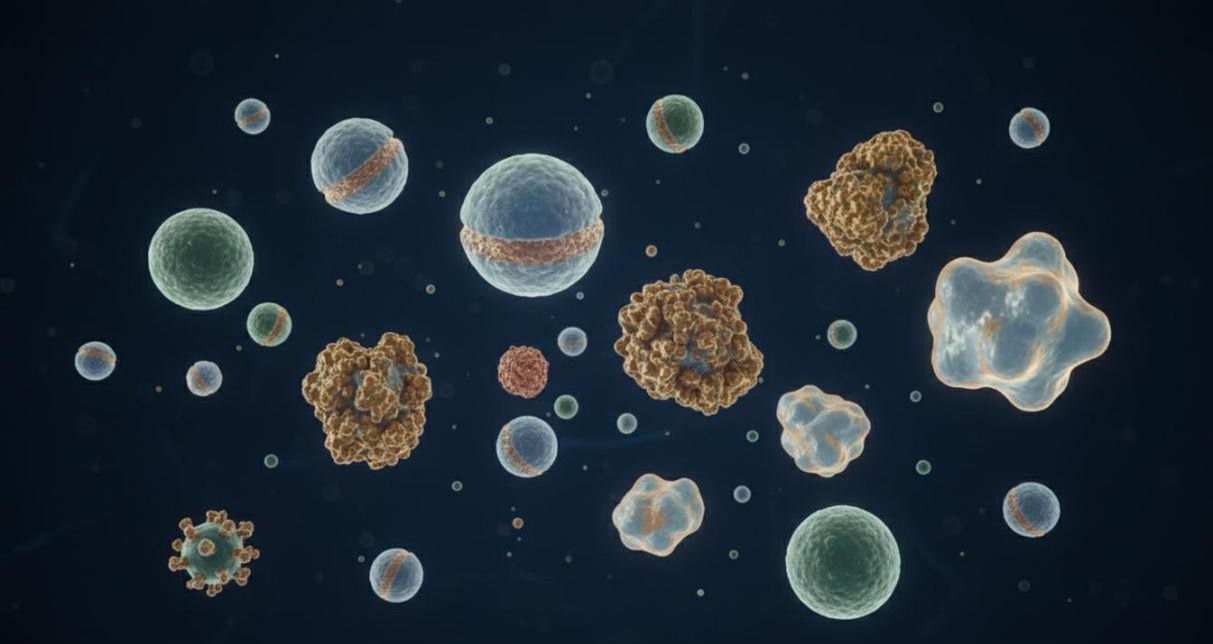 Figure 3: Array of diverse drug delivery nanocarriers including liposomes, polymeric nanoparticles, and lipid nanoparticles
For drugs that face bioavailability challenges due to poor aqueous solubility, lipid-based formulations offer a transformative solution. Our solid lipid nanoparticle (SLN) and nanostructured lipid carrier (NLC) platforms encapsulate hydrophobic drugs within a solid lipid matrix, enhancing solubility while providing controlled release and excellent physical stability. These systems combine the advantages of polymeric nanoparticles, fat emulsions, and liposomes into a single carrier.
We also specialize in nanocrystal technology — reducing drug particle size to the nanometer range through precision wet milling and high-pressure homogenization. This approach dramatically increases surface area and dissolution velocity without requiring carrier materials, making it ideal for high-dose, orally administered drugs.
| Platform | Key Advantages | Best Suited For |
| SLN (Solid Lipid NPs) | High physical stability, controlled release, biocompatible matrix | Lipophilic drugs, topical delivery, prolonged release |
| NLC (Nanostructured LCs) | Higher drug loading than SLN, improved stability, flexible composition | Moderately lipophilic drugs, complex payloads |
| Lipid Nanoparticles (LNPs) | Excellent for nucleic acids, high encapsulation, endosomal escape | mRNA, siRNA, gene therapy, vaccine delivery |
| Nanocrystals | No carrier needed, high drug loading, scalable production | Poorly soluble small molecules, oral bioavailability enhancement |
Targeted Drug Delivery System Development
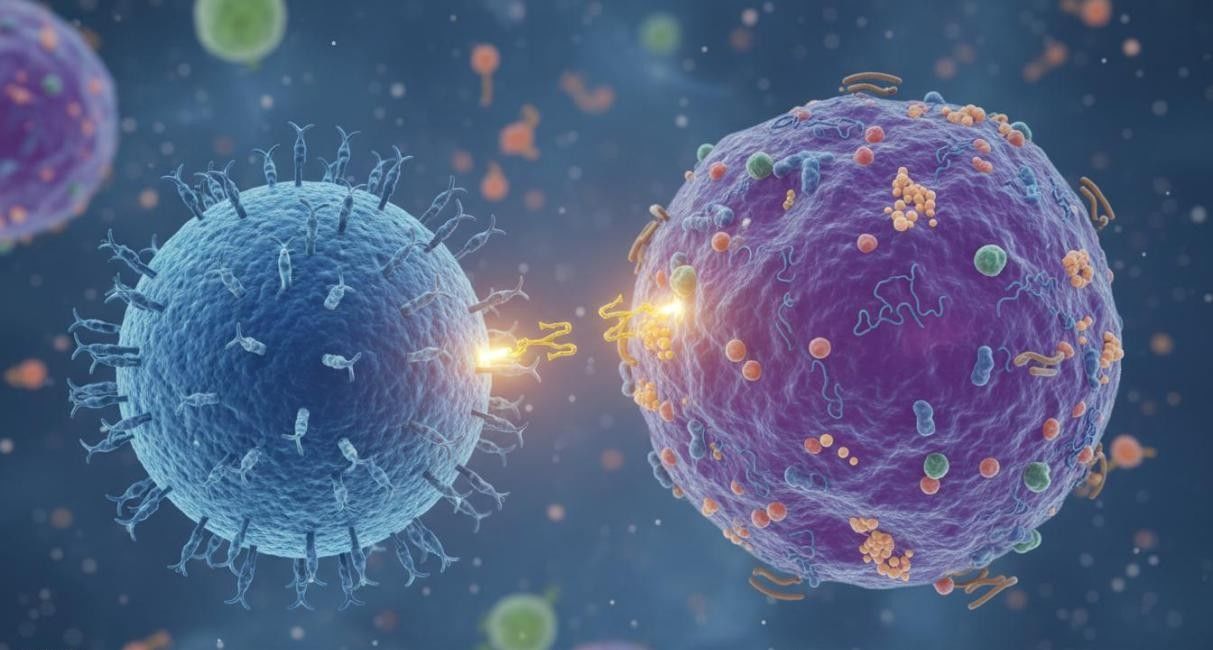 Figure 4: Ligand-functionalized nanoparticle binding to target cell surface receptors for precise drug delivery
Getting a drug to the right location in the body is arguably the most impactful lever in nanomedicine. Our targeted drug delivery services layer sophisticated targeting strategies onto nanocarrier platforms, dramatically improving therapeutic index by concentrating drug action at the disease site while sparing healthy tissues.
Targeting modalities we implement:
- Passive targeting (EPR effect): Long-circulating, PEGylated nanoparticles that exploit the enhanced permeability and retention of tumor vasculature to accumulate selectively in solid tumors.
- Active ligand-mediated targeting: Surface conjugation of antibodies, antibody fragments, peptides (RGD, transferrin, folate), aptamers, and small molecules that bind overexpressed receptors on target cells.
- Cell membrane-mediated targeting: Coating nanoparticles with natural cell membranes from erythrocytes, platelets, cancer cells, or immune cells to exploit innate homing abilities and immune evasion.
- Organ-specific targeting: Optimized particle size, surface charge, and lipid composition for liver, lung, spleen, or lymph node accumulation without ligand modification.
Stimuli-Responsive & Smart Drug Delivery Systems
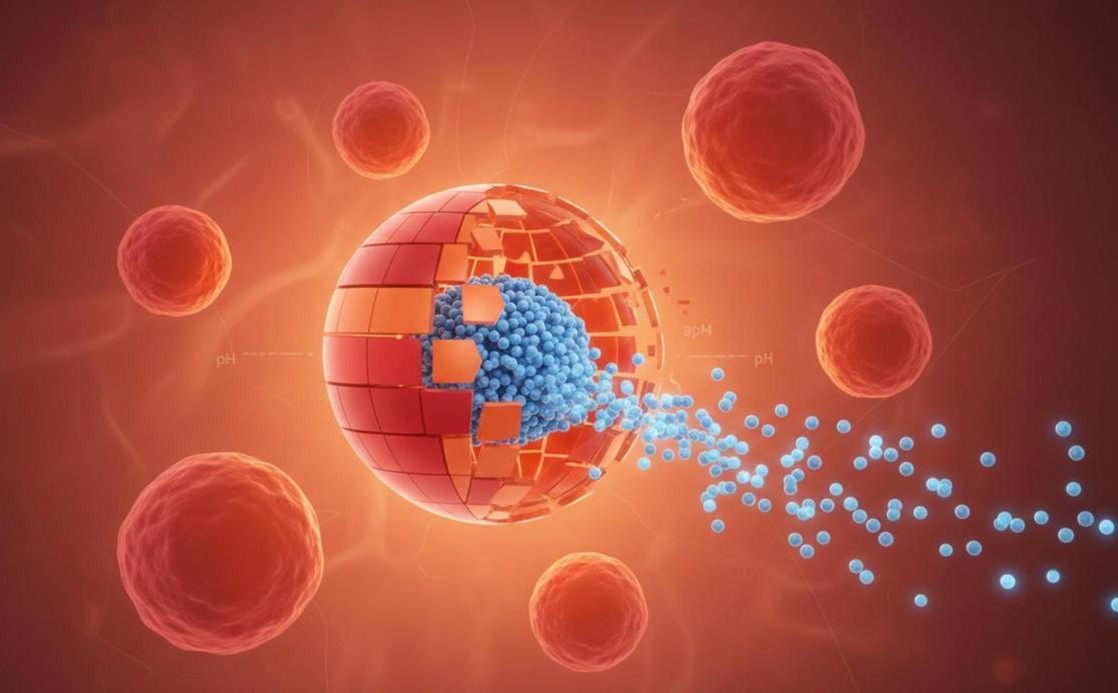 Figure 5: pH-responsive nanoparticle undergoing structural disassembly in acidic tumor microenvironment to trigger payload release
Conventional drug carriers release their payload gradually and indiscriminately. Stimuli-responsive systems, by contrast, remain stable during transit and activate only upon encountering specific disease-associated signals — achieving temporal and spatial control that maximizes efficacy while minimizing systemic exposure.
At Eata Nanomaterials, we engineer smart drug delivery systems that respond to endogenous disease biomarkers or externally applied triggers. These systems are particularly valuable for oncology applications, where the tumor microenvironment offers a rich repertoire of exploitable differences from normal tissue.
- pH-responsive systems: Nanoparticles that destabilize in the acidic tumor microenvironment (pH 6.5) or endosomal compartments (pH 5.0-5.5), triggering rapid payload release after cellular internalization.
- Redox-responsive systems: Disulfide-crosslinked carriers that disassemble in the high-glutathione intracellular environment, enabling rapid cytoplasmic drug release.
- Enzyme-responsive systems: Carriers sensitive to matrix metalloproteinases (MMPs), esterases, or phospholipases that are overexpressed in tumor stroma or inflammatory tissues.
- Thermo-responsive systems: Temperature-sensitive polymers such as PNIPAM and poloxamers that undergo sol-gel transitions for injectable depot formulations or hyperthermia-triggered release.
- Multi-stimuli responsive systems: Dual- or triple-responsive nanocarriers that integrate multiple triggers for enhanced specificity and fail-safe activation mechanisms.
Comprehensive Analytical Characterization
Every drug delivery system we develop undergoes rigorous physicochemical and performance characterization. Without precise analytical data, formulation optimization is speculative and batch-to-batch consistency cannot be guaranteed. Our analytical platform delivers the full suite of measurements required for robust quality control and regulatory documentation.
| Parameter | Method | Application |
| Particle size & PDI | DLS, NTA, laser diffraction | Batch uniformity, reproducibility monitoring |
| Morphology | TEM, SEM, Cryo-TEM | Structural confirmation, coating verification |
| Surface charge | Zeta potential | Colloidal stability, cellular interaction prediction |
| Drug loading & EE | HPLC, UV-Vis, fluorescence | Dose accuracy, formulation efficiency |
| Release kinetics | Dialysis, Franz diffusion cell | In vitro performance, IVIVC development |
| Stability | Accelerated aging, freeze-thaw | Shelf life determination, formulation robustness |
| Cellular interaction | Flow cytometry, confocal microscopy | Uptake quantification, mechanism elucidation |
Route-Specific Delivery System Design
Different anatomical sites impose distinct physiological barriers and accessibility constraints. We optimize drug delivery systems specifically for the intended route of administration, ensuring that nanocarrier design aligns with the biological realities of the target compartment.
- Intravenous delivery: Stealth coatings, controlled size (<200 nm), and ligand targeting for systemic circulation and organ-specific accumulation.
- Oral delivery: Mucoadhesive polymers, enteric coatings, and permeation enhancers to survive GI conditions and maximize absorption.
- Transdermal / topical: Flexible nanocarriers, penetration enhancers, and sustained-release matrices for localized or systemic delivery through the skin.
- Ocular delivery: Mucoadhesive coatings, optimal size for corneal retention, and sterility-compliant manufacturing for anterior and posterior segment targeting.
- Pulmonary / inhalation: Appropriate aerodynamic diameter (1-5 um), dispersibility, and lung surfactant compatibility for deep lung deposition.
- Intratumoral / local injection: Injectable hydrogels, thermosensitive depots, and sustained-release formulations for localized, prolonged drug exposure.
Unlock the Full Potential of Your Drug Candidates
Partner with Eata Nanomaterials to overcome bioavailability barriers, enhance targeting precision, and achieve controlled release for your pharmaceutical compounds. Contact our formulation scientists today for a customized project proposal and feasibility evaluation.