

Lipid Nanoparticles Customized Services
Lipid nanoparticles have fundamentally reshaped the landscape of nucleic acid therapeutics. From the landmark success of mRNA vaccines to the growing pipeline of siRNA drugs and CRISPR gene-editing therapies, LNPs serve as the indispensable delivery vehicle that protects fragile genetic payloads, ferrying them across biological barriers into target cells. At Eata Nanomaterials, we specialize in crafting bespoke LNP systems precisely aligned with your therapeutic objectives, payload characteristics, and route of administration.
Our integrated research platform spans the complete LNP development lifecycle — ionizable lipid selection, formulation optimization, microfluidic manufacturing, rigorous physicochemical characterization, and in vitro functional validation. Whether you are at the earliest proof-of-concept stage or advancing toward IND-enabling studies, our scientists collaborate closely with your team to de-risk development and generate reproducible, publication-ready data.
Custom LNP Formulation Design & Optimization
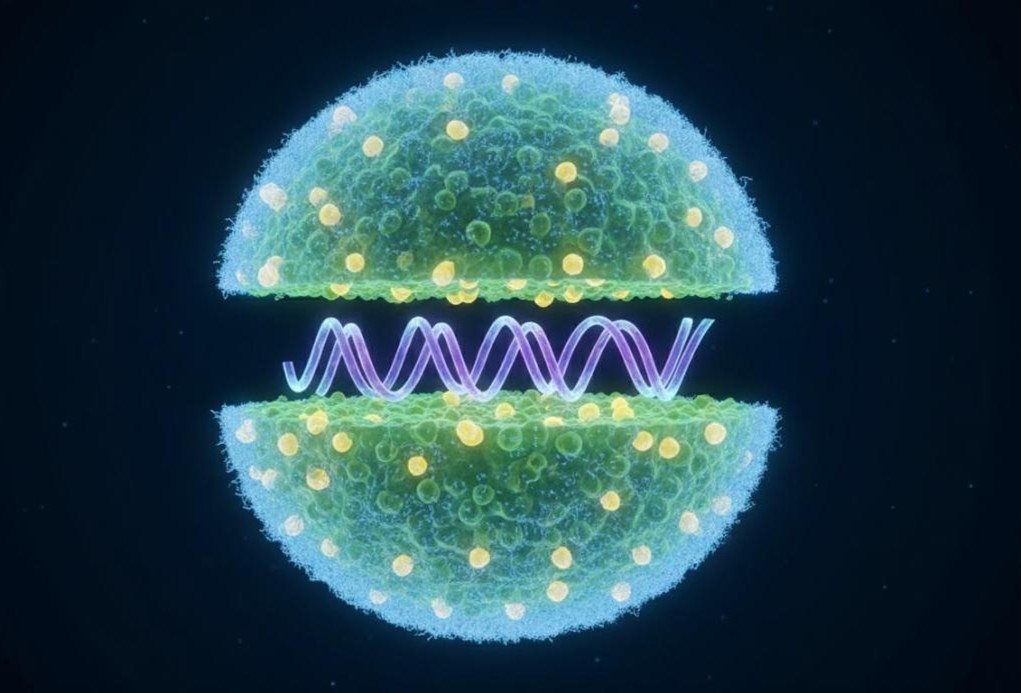 Figure 1: Cross-sectional structure of a lipid nanoparticle showing ionizable lipid bilayer, cholesterol, PEG-lipid coating, and encapsulated nucleic acid cargo
No two nucleic acid therapies are identical, and neither should their delivery vehicles be. The lipid composition, molar ratios, and process parameters of an LNP directly determine encapsulation efficiency, particle stability, biodistribution, and ultimately therapeutic potency. Our formulation design service begins with a thorough understanding of your payload — be it mRNA, siRNA, antisense oligonucleotides, plasmid DNA, or CRISPR ribonucleoproteins — and the biological barriers it must overcome.
Key elements we systematically optimize include:
- Ionizable lipid selection: We screen established lipids (DLin-MC3-DMA, SM-102, ALC-0315, LP01) and novel proprietary candidates, evaluating pKa, fusogenicity, and endosomal escape efficiency to match your target tissue.
- Helper phospholipid & cholesterol ratios: DSPC, DOPE, and cholesterol are fine-tuned to modulate membrane fluidity, particle rigidity, and circulatory half-life.
- PEG-lipid content & architecture: PEG2000-DMG and analogous stabilizers are optimized to balance stealth properties against cellular uptake, preventing rapid clearance while allowing ligand accessibility.
- N/P ratio & buffer chemistry: The charge ratio between ionizable lipid and nucleic acid, together with buffer identity and pH, is rigorously screened to maximize encapsulation and minimize aggregation.
Using Design-of-Experiments methodologies, we map multidimensional formulation space efficiently, identifying robust compositions that perform consistently across batch replicates.
Microfluidic LNP Manufacturing & Process Development
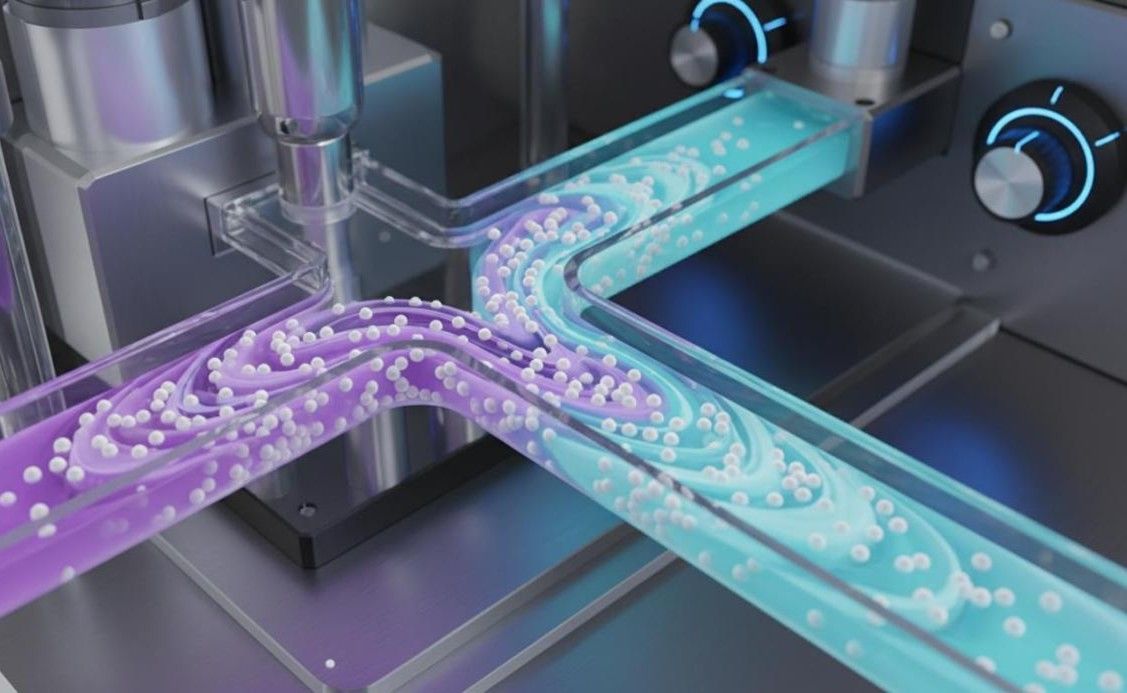 Figure 2: Microfluidic mixing technology enabling precise, reproducible lipid nanoparticle synthesis
The transition from bench-scale discovery to reproducible LNP production is among the most challenging steps in nucleic acid therapeutic development. Our microfluidic manufacturing platform addresses this head-on by enabling rapid, controlled, and scalable nanoprecipitation that yields uniform particles with tight size distributions and high encapsulation efficiency.
We employ state-of-the-art microfluidic mixing systems that precisely control the flow rate ratio (FRR), total flow rate (TFR), ethanol fraction, and mixing geometry. These parameters directly govern particle self-assembly kinetics and are critical for achieving target critical quality attributes.
| Process Parameter | Control Strategy |
| Flow Rate Ratio (FRR) | Systematically varied to tune particle size and PDI; typically 1:1 to 5:1 aqueous:organic |
| Total Flow Rate (TFR) | Adjusted to control mixing energy and residence time; impacts nucleation vs. growth kinetics |
| Ethanol fraction | Optimized to balance solubility of lipid components with particle stability post-mixing |
| Temperature | Maintained within narrow range to ensure reproducible lipid hydration and packing behavior |
| In-line dilution | Controlled kinetics of solvent exchange to lock particle structure and prevent aggregation |
Beyond microfluidics, we also support alternative preparation techniques including thin-film hydration, ethanol injection, and membrane extrusion — selecting the method best suited to your program's scale and formulation complexity.
Nucleic Acid Encapsulation Services
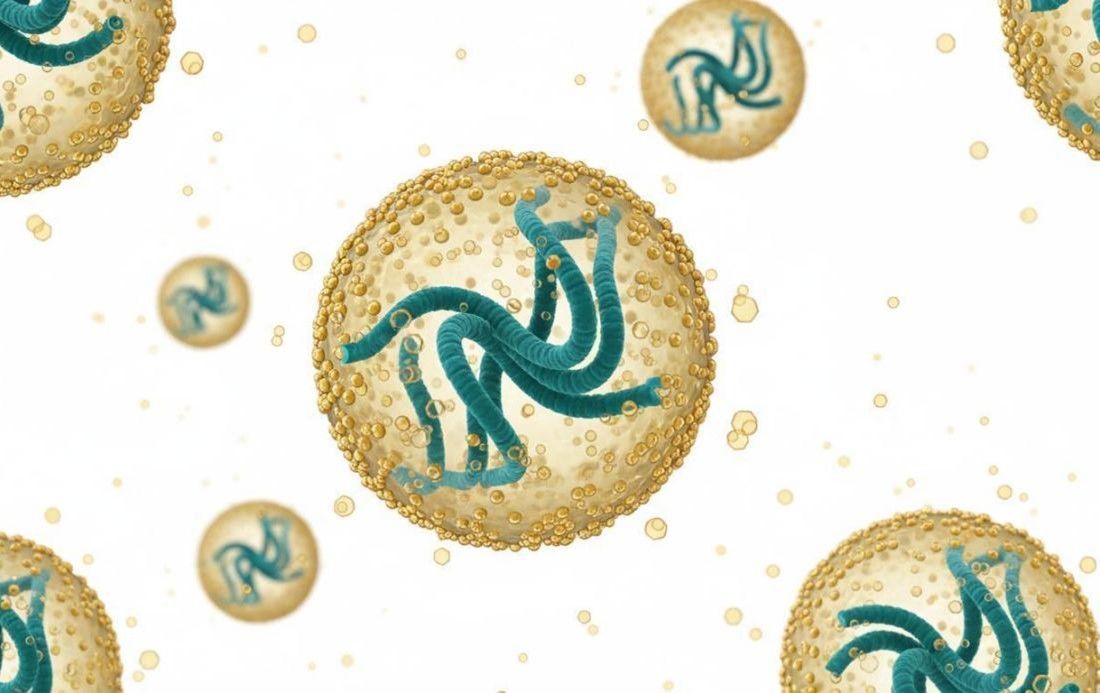 Figure 3: mRNA strands efficiently encapsulated within spherical lipid nanoparticles for protective delivery
Protecting nucleic acid payloads from enzymatic degradation in circulation and enabling their release at the intended intracellular destination is the core mission of any LNP system. Our encapsulation services achieve >90% encapsulation efficiency across a broad spectrum of cargo types through meticulous process control and lipid composition tuning.
Payload types we routinely encapsulate:
- mRNA & modified mRNA: Vaccine antigens, therapeutic proteins, and gene replacement constructs; including self-amplifying RNA (saRNA) and circular RNA (circRNA).
- siRNA & miRNA: Gene silencing triggers for oncology, metabolic disorders, and rare genetic diseases; co-encapsulation strategies for multi-target knockdown.
- Plasmid DNA: Gene therapy vectors and DNA vaccines; optimized for large-payload encapsulation without compromising particle integrity.
- CRISPR/Cas systems: Cas9 mRNA + sgRNA, Cas9 protein + sgRNA RNP complexes, and base editing components; formulated to preserve RNP conformation and editing activity.
- Antisense oligonucleotides (ASOs): splice-switching and exon-skipping oligonucleotides; tuned release profiles for sustained pharmacological effect.
Each encapsulation campaign includes quantification of drug loading, integrity verification by capillary electrophoresis, and challenge studies against RNases and serum nucleases to confirm payload protection.
Comprehensive LNP Characterization & Analytics
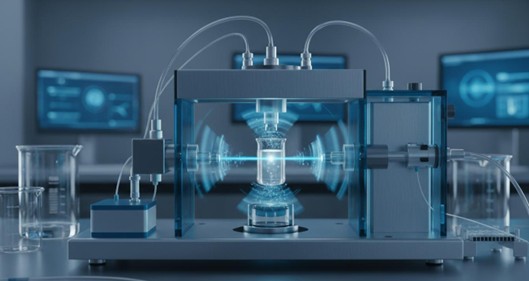 Figure 4: Advanced analytical instrumentation for complete lipid nanoparticle physicochemical characterization
Robust analytical characterization underpins every successful LNP program. Without precise measurement of critical quality attributes, formulation optimization becomes guesswork and batch-to-batch consistency remains elusive. Our characterization platform delivers comprehensive physicochemical profiling using validated methods and industry-standard instrumentation.
| CQA | Method | Purpose |
| Particle size & PDI | Dynamic Light Scattering (DLS) | Primary size distribution; batch uniformity indicator |
| Particle concentration | Nanoparticle Tracking Analysis (NTA) | Absolute particle count per mL; dosing accuracy |
| Surface charge | Laser Doppler Electrophoresis | Zeta potential; colloidal stability predictor |
| Morphology | Cryo-TEM / TEM / SEM | Visual confirmation of structure, lamellarity, integrity |
| Encapsulation efficiency | RiboGreen / dye exclusion assay | Quantifies payload trapped vs. free; typically target >90% |
| Payload integrity | Capillary electrophoresis | Confirms mRNA/siRNA remains intact post-encapsulation |
| pKa determination | TNS fluorescence assay | Ionizable lipid protonation; correlates with endosomal escape |
| Lipid composition | HPLC-CAD / LC-MS | Quantitative lipid identity and molar ratio verification |
| Stability | Accelerated & long-term storage studies | Monitors size, EE, and potency over time under ICH conditions |
In Vitro Functional Validation & Cellular Delivery Studies
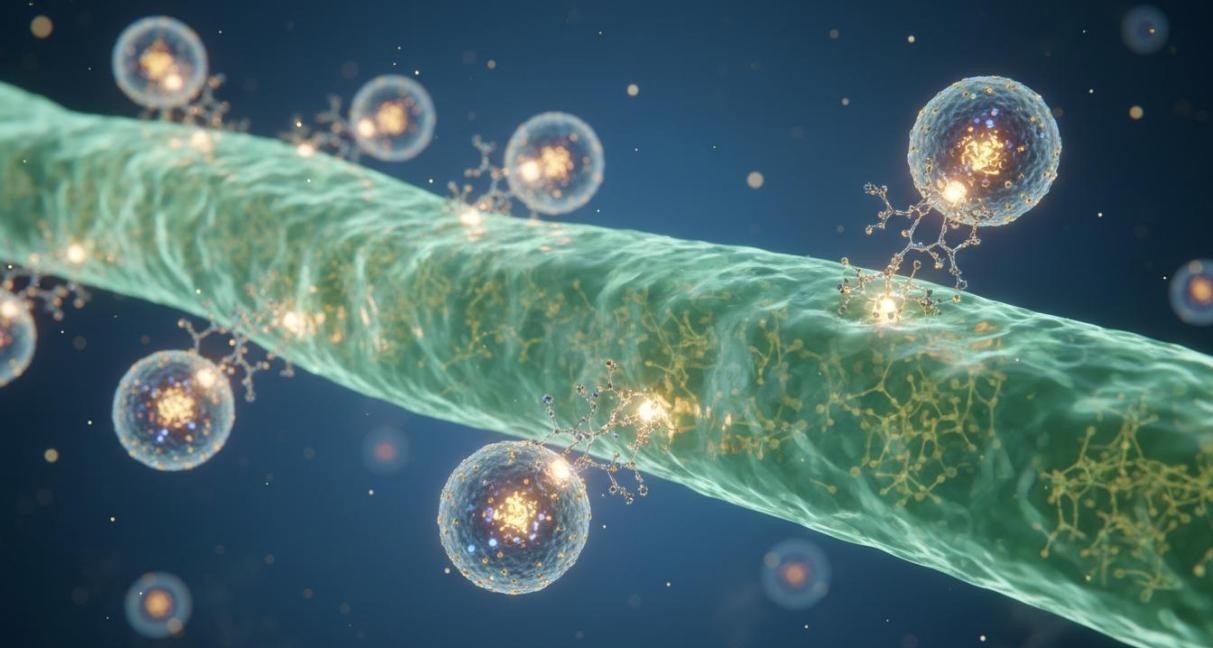 Figure 5: Lipid nanoparticles undergoing receptor-mediated endocytosis for intracellular payload delivery
Physicochemical perfection means little if the LNP fails to enter cells and release its cargo. Our in vitro functional validation services bridge the gap between formulation characterization and biological proof-of-concept, providing actionable data on cellular uptake, endosomal escape, transfection efficiency, and cytotoxicity.
Capabilities encompass:
- Cellular uptake quantification: Flow cytometry and fluorescence microscopy using labeled LNPs to measure internalization kinetics and mechanisms across diverse cell lines and primary cells.
- Transfection efficiency assessment: Luciferase reporter assays, GFP expression analysis, and qRT-PCR to quantify functional payload delivery and expression.
- Endosomal escape evaluation: Calcein release assays, galectin-8 recruitment imaging, and pH-sensitive probe co-localization studies.
- Cytotoxicity & tolerability: MTT, LDH release, and ATP viability assays across dose ranges to establish therapeutic index.
- Mechanistic investigations: Confocal live-cell imaging, single-particle tracking, and CRISPR knockout studies to elucidate uptake pathways and rate-limiting barriers.
We tailor cell model selection to your intended therapeutic indication — hepatocyte lines for liver-targeted siRNA, immune cells for mRNA vaccines, respiratory epithelial models for inhaled LNPs, and tumor cell lines for oncology applications.
Surface Functionalization & Targeted LNP Development
While conventional LNPs predominantly accumulate in the liver following intravenous administration, many therapeutic applications demand delivery to alternative organs, tissues, or cell types. Our surface functionalization services transform standard LNPs into precision-targeted delivery systems through conjugation of targeting ligands and stealth coatings.
- Active targeting ligands: Antibodies, Fab fragments, scFv, VHH nanobodies, peptides, aptamers, and small molecules are tethered to the LNP surface via robust linker chemistry. Ligand selection and surface density are optimized to achieve receptor-mediated uptake without compromising particle stability.
- Stealth & antifouling coatings: Beyond standard PEGylation, we explore alternative hydrophilic polymers and zwitterionic coatings that reduce immunogenicity and prolong circulation while preserving cellular accessibility.
- Stimuli-responsive modifications: pH-sensitive, redox-cleavable, and enzyme-triggered surface modifications enable site-specific payload release in tumor microenvironments or inflamed tissues.
LNP Stability Assessment & Long-Term Storage Optimization
Stability is the Achilles' heel of many otherwise promising LNP formulations. Aggregation, lipid oxidation, payload degradation, and pH drift can all compromise potency during storage and administration. Our stability assessment services identify vulnerabilities early and implement mitigation strategies to ensure your LNPs remain viable from manufacture to patient delivery.
Our stability program includes:
- Real-time & accelerated stability: ICH-compliant storage at multiple temperature points (frozen, refrigerated, ambient) with scheduled pull points for comprehensive testing.
- Freeze-thaw & stress studies: Evaluation of particle resilience under temperature excursion scenarios relevant to shipping and handling.
- Lyophilization development: Formulation of cryoprotectant matrices and optimization of freeze-drying cycles to enable room-temperature stable LNP products.
- In-use stability: Simulation of clinical preparation conditions including dilution, infusion bag compatibility, and dwell time prior to administration.
Advance Your Nucleic Acid Therapeutic with Custom LNPs
Reach out to Eata Nanomaterials today for a confidential project consultation. Our lipid nanoparticle specialists will evaluate your payload, target indication, and development stage to propose a tailored research plan that meets your scientific and timeline objectives.