
Products
- High-Quality Graphene
- CVD Graphene, Graphene-Like Materials
- Graphene-Like Series
- Defect-Free Single-Crystal Graphene and Graphene-Like Materials (Mechanical Exfoliation)
- Quantum Dot Series
- Aggregation-Induced Emission (AIE)
- Near-Infrared II (NIR-II) Fluorescent Dyes
- Graphdiyne
- Two-Dimensional Transition Metal Carbides/Nitrides/Borides (MXene)
- Metal Nanomaterials and Other Functional Bio-Nanomaterials
- Metal-Organic Frameworks (MOF)
- Covalent Organic Frameworks (COF)
- Two-Dimensional Layered Metal Oxides (LDH)
- Carbon Nanotube Powders, Pastes
- Carbon Nanotube Arrays and Special Carbon Nanotube Materials
- High-Quality Metallic and Semiconducting High-Purity Single-Walled Carbon Nanotubes
- Carbon Nanotube Sponges
- Mesoporous Carbon and Carbon Nanomaterials
- High-Quality Fullerenes
- One-Dimensional Nanomaterials
- Molecular Sieves
- Inorganic Nanomaterials
- Perovskite Materials
- Highly Oriented Pyrolytic Graphite (HOPG)
- Organic Materials
- Single-Atom Catalysts
- Thermoelectric Materials
- Sodium Storage Materials
- Industrial-Grade Nanomaterials
- Solid-State Lithium Batteries
- Hydrogel Series and Consumables
Online Inquiry
Hydrogel Series and Consumables
Hydrogels represent one of the most versatile classes of soft materials in contemporary materials science, defined by their three-dimensional hydrophilic polymer networks capable of absorbing and retaining water at levels reaching several hundred times their dry mass. The global hydrogel market, valued at approximately $34.25 billion in 2024, is projected to reach $51.8 billion by 2030, expanding at a compound annual growth rate of 7.4%. This remarkable growth trajectory is fueled by converging demands from biomedical research, tissue engineering, agriculture, flexible electronics, and industrial applications—sectors that exploit the unique combination of biocom
The utility of hydrogels in laboratory and industrial settings hinges on two intertwined factors: the intrinsic chemical composition of the polymer network and the quality of associated consumables used in their preparation, characterization, and application. A researcher conducting 3D cell culture experiments requires not only high-purity alginate or gelatin methacryloyl (GelMA) powder but also sterile petri dishes, precision syringes, syringe filters, and crosslinking molds that collectively determine experimental reproducibility. Similarly, industrial formulators developing hydrogel-based coatings or agricultural water-retention products depend on consistent raw material quality and appropriately designed processing equipment. Our integrated supply of hydrogel raw materials and purpose-matched consumables addresses this complete workflow.
Our hydrogel series encompasses natural, synthetic, and semi-synthetic polymer systems spanning the full range of mechanical properties, degradation kinetics, and functional chemistries required by modern research and development programs. From low-viscosity agarose solutions for rapid encapsulation to mechanically robust GelMA formulations for high-resolution 3D bioprinting, each product is manufactured under controlled conditions with documented purity and performance specifications. The consumables portfolio complements these materials with cell culture plastics, filtration devices, mixing and dispensing tools, and custom molding accessories selected for hydrogel-specific processing requirements.
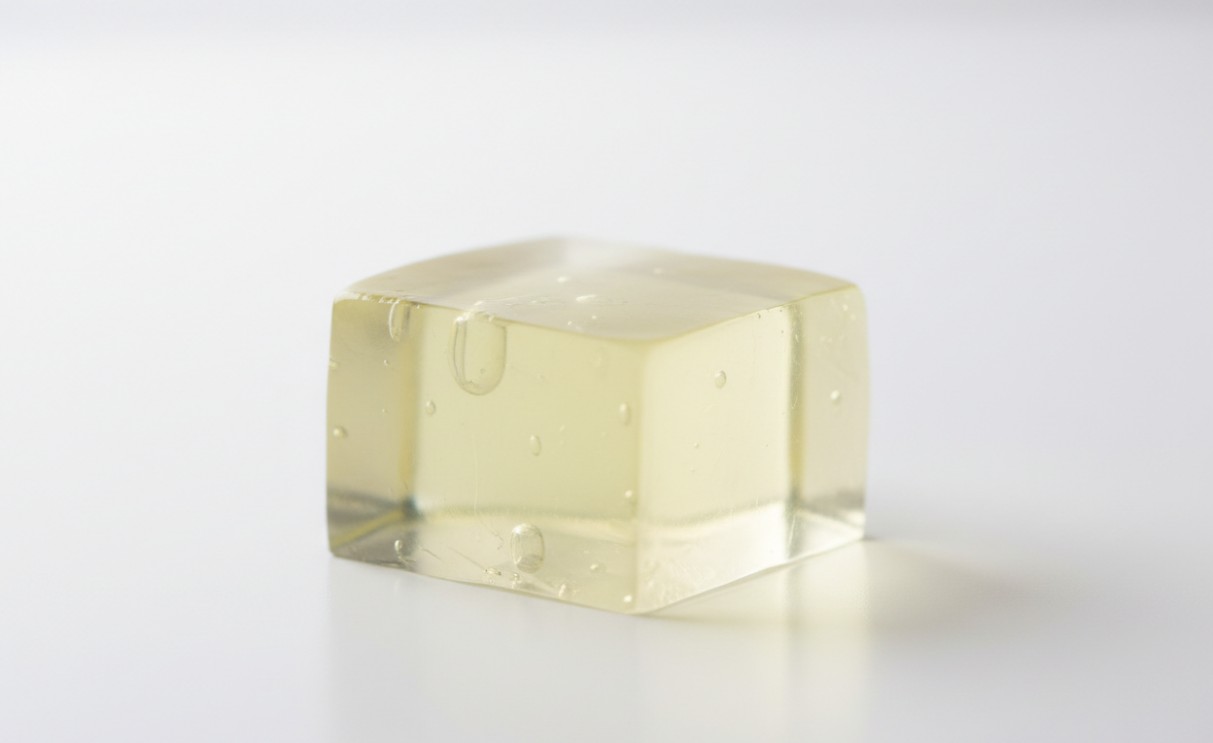 Figure 1: Gelatin methacryloyl (GelMA) hydrogel block prepared by photocrosslinking under visible light
Natural Polymer Hydrogels
Natural hydrogels derive from biopolymers extracted from animal, plant, or microbial sources, offering inherent biocompatibility, biodegradability, and bioactive functionalities that synthetic counterparts struggle to replicate. These materials either constitute components of the native extracellular matrix (ECM) or closely mimic its physicochemical properties, making them indispensable for cell culture, tissue engineering, and regenerative medicine research. The most widely employed natural hydrogels include alginate, gelatin, hyaluronic acid, collagen, agarose, chitosan, and fibrin—each presenting a distinct profile of gelation mechanisms, mechanical tunability, and biological signaling capacity.
Sodium Alginate
Alginate, an anionic polysaccharide extracted from brown seaweed, forms hydrogels through ionic crosslinking with divalent cations—most commonly calcium chloride—in a process gentle enough to encapsulate living cells without compromising viability. This mild gelation mechanism, requiring no organic solvents, elevated temperatures, or UV irradiation, has made alginate the most frequently utilized material in 3D bioprinting workflows. Typical formulations employ 2-4% (w/v) alginate solutions that yield gels with compressive moduli of 5-50 kPa, suitable for cartilage tissue engineering, cell encapsulation, and drug delivery depot applications.
- Sodium alginate (low viscosity): 2-4% solutions, 5-15 kPa modulus, cell encapsulation
- Sodium alginate (high viscosity): 4-8% solutions, 20-80 kPa modulus, scaffold printing
- Calcium chloride crosslinker: 50-200 mM aqueous solution, sterile-filtered
Gelatin and GelMA
Gelatin, derived from collagen hydrolysis, undergoes thermoreversible sol-gel transition near 28-35°C, enabling straightforward cell embedding at physiological temperature followed by rapid gelation upon cooling. Methacryloyl-modified gelatin (GelMA) introduces photocrosslinkable methacrylate groups that permit spatially controlled solidification under visible or UV light in the presence of photoinitiators such as LAP or Irgacure 2959. GelMA concentrations of 5-10% (w/v) produce gels with tunable elastic moduli from 5 kPa to over 100 kPa, spanning the mechanical range of brain tissue to pre-calcified bone, and have emerged as the second most popular bioink material after alginate.
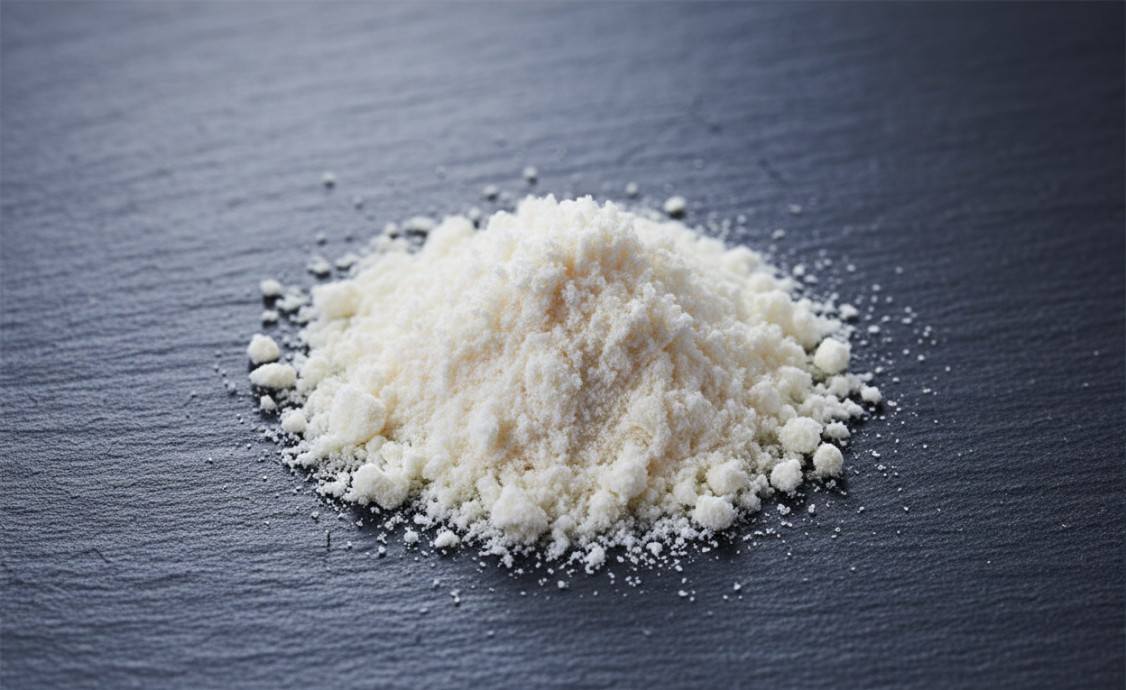 Figure 2: High-purity hyaluronic acid powder for hydrogel synthesis and ECM-mimetic scaffold fabrication
Hyaluronic Acid
Hyaluronic acid (HA), a non-sulfated glycosaminoglycan ubiquitous in connective tissues, provides a particularly biomimetic microenvironment due to its native presence in the ECM and its capacity to interact with CD44 cell surface receptors. These receptor-mediated interactions modulate cell adhesion, migration, and differentiation in ways that passive hydrogels cannot replicate. Thiol-modified or methacrylated HA derivatives enable crosslinking through Michael addition or photochemical reactions, producing gels with degradation rates tunable via molecular weight selection (50-1500 kDa) and crosslinking density. HA hydrogels find extensive use in neural tissue engineering, dermal filler research, and stem cell niche modeling.
Agarose, Collagen, and Chitosan
Agarose forms thermally gelling networks with pore sizes controllable through concentration (0.5-3% w/v), serving as inert matrices for cell migration studies and electrophoresis applications. Type I collagen, the predominant structural protein in mammalian tissues, self-assembles into fibrillar networks at neutral pH and 37°C, providing cell-adhesive RGD sequences and MMP-degradable crosslinks. Chitosan, a cationic polysaccharide derived from chitin deacetylation, exhibits intrinsic antimicrobial activity and pH-responsive gelation behavior that has attracted interest in wound healing research and oral drug delivery systems.
- Agarose (low gelling temperature): 0.5-2%, tunable pore size, cell migration assays
- Type I collagen: 3-10 mg/mL, fibrillar self-assembly, cell-adhesive, MMP-degradable
- Chitosan (medium molecular weight): pH-responsive, antimicrobial, wound dressing research
Synthetic and Semi-Synthetic Hydrogels
Synthetic hydrogels offer precise control over molecular architecture, crosslinking density, and mechanical properties that natural systems cannot match. Polyethylene glycol (PEG), polyvinyl alcohol (PVA), poly(N-isopropylacrylamide) (PNIPAM), and polyacrylamide constitute the workhorse synthetic platforms, each enabling specific functionalities ranging from bioinert barriers to temperature-responsive smart materials. Semi-synthetic systems—chemically modified natural polymers such as GelMA, acrylated hyaluronic acid, and methacrylated chondroitin sulfate—bridge the gap by combining the tunability of synthetic chemistry with the bioactivity of natural macromolecules.
PNIPAM warrants particular attention as the archetypal temperature-responsive hydrogel, exhibiting a lower critical solution temperature (LCST) of approximately 32°C. Below this threshold, PNIPAM remains hydrophilic and swollen; above it, the polymer collapses into a hydrophobic, dehydrated state. This reversible phase transition enables applications in cell sheet engineering, where cultured cells detach en masse upon slight cooling, as well as in on-demand drug delivery systems that release therapeutic payloads in response to localized hyperthermia. Copolymerization with hydrophilic or hydrophobic comonomers shifts the LCST to match specific physiological or environmental requirements.
- PEG diacrylate (PEGDA): 2-20 kDa molecular weight, UV-crosslinkable, bioinert matrices
- PNIPAM: LCST ~32°C, temperature-responsive, cell sheet engineering applications
- Polyacrylamide: high mechanical strength, electrophoresis and rheology research
- Semi-synthetic GelMA: 5-10% w/v, photocrosslinkable, tissue-specific stiffness tuning
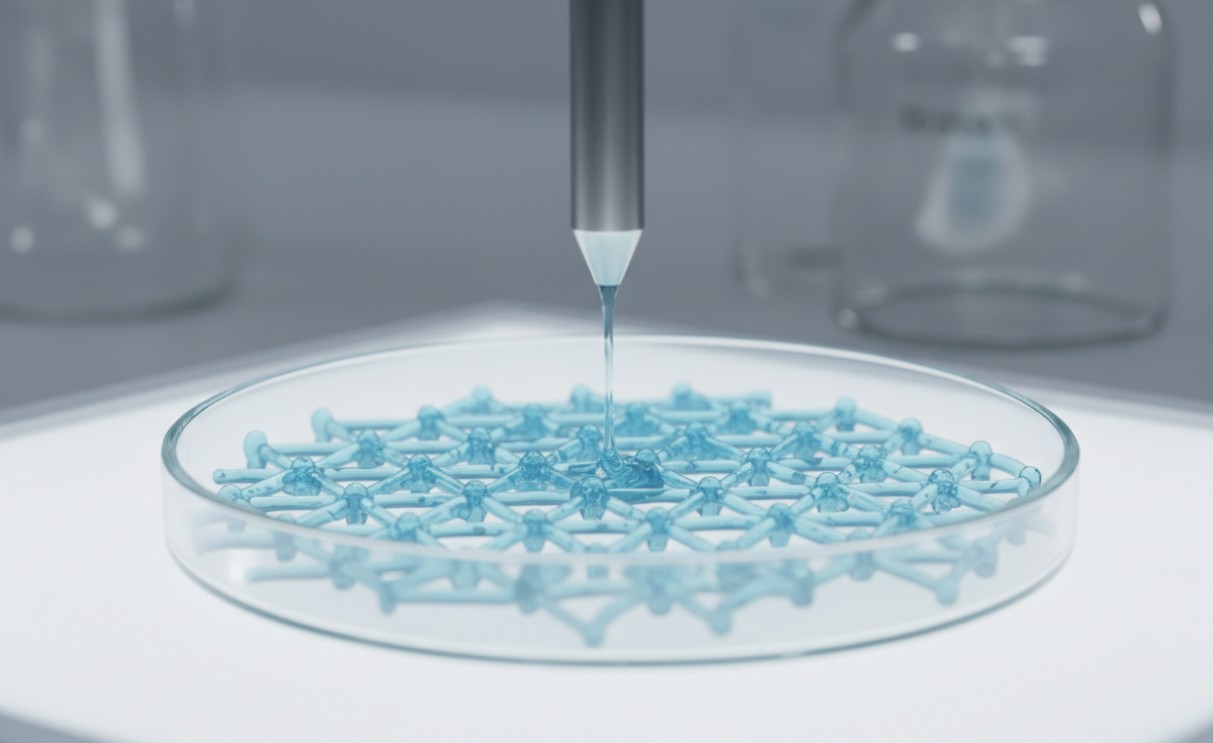 Figure 3: Extrusion-based 3D bioprinting of hydrogel bioink for tissue scaffold fabrication
Hydrogels for 3D Bioprinting
Three-dimensional bioprinting places demanding requirements on hydrogel formulations, which must simultaneously exhibit shear-thinning behavior for extrusion through fine nozzles, rapid shape retention after deposition, and cytocompatibility throughout the printing process. Successful bioinks typically demonstrate yield stress behavior—flowing under applied shear stress during extrusion but returning to gel-like state upon stress cessation—enabling the construction of overhanging and bridging structures without immediate collapse. The most commonly adopted bioink formulations combine alginate (2-4% w/v), gelatin (5% w/v), or GelMA (10% w/v) with optional additives including nanocellulose for rheological enhancement or conductive polymers for neural and cardiac tissue applications.
Crosslinking strategy profoundly influences print fidelity and cell viability. Ionic crosslinking with Ca²⁺ suits alginate-based systems, while photocrosslinking with LAP photoinitiator under 405 nm visible light has become the standard for GelMA bioinks, achieving cell viabilities exceeding 85% post-printing. Dual-crosslinking approaches that combine physical gelation (thermal or ionic) with chemical crosslinking (photochemical or enzymatic) offer superior structural integrity for large constructs. For high-resolution applications, digital light processing (DLP) bioprinting of PEG-GelMA composites achieves feature resolutions of 50 μm, sufficient for microvascular network fabrication.
- Alginate bioink: 2-4% w/v, CaCl₂ ionic crosslinking, shear-thinning, >90% cell viability
- GelMA bioink: 5-10% w/v, LAP photoinitiator, 405 nm crosslinking, 50-200 kPa tunable
- Nanocellulose-reinforced hydrogel: enhanced yield stress, improved print fidelity
- DLP printable PEG-GelMA: 50 μm resolution, visible light crosslinkable
Laboratory Consumables for Hydrogel Processing
Consistent, reproducible hydrogel preparation demands consumables engineered for the specific physical and chemical requirements of these materials. Standard tissue culture plastics may prove inadequate for hydrogel work due to surface properties that promote unwanted adhesion or leachable contaminants that interfere with crosslinking chemistry. Our consumables portfolio addresses these nuances with products selected and validated for hydrogel-specific workflows spanning formulation, sterilization, casting, crosslinking, and characterization.
Cell Culture Plastics and Molds
We supply tissue culture-treated polystyrene dishes, multi-well plates, and chamber slides with low-evaporation lids that minimize water loss during extended gelation periods. For custom geometry requirements, silicone elastomer molds (PDMS) in standard configurations—cylindrical, rectangular, and microchannel arrays—enable casting of hydrogel constructs with defined dimensions and surface topographies. Non-adherent tissue culture plates with ultra-low attachment surfaces prevent unwanted protein adsorption and cell attachment at gel-plastic interfaces.
Filtration and Sterilization
Hydrogel precursor solutions require sterile filtration rather than autoclaving, which would degrade thermolabile polymers such as gelatin and collagen. We provide syringe filters with polyethersulfone (PES) membranes (0.22 μm pore size) and luer-lock connections rated for viscous polymer solutions, along with vacuum-driven bottle-top filters for larger-volume preparations. Sterile disposable syringes (1-50 mL, luer-slip and luer-lock) enable precise dispensing of precursor solutions and crosslinking agents.
- Tissue culture dishes/plates: treated and ultra-low attachment surfaces
- PDMS casting molds: cylindrical, rectangular, microchannel geometries
- PES syringe filters: 0.22 μm, luer-lock, high-flow for viscous solutions
- Sterile disposable syringes: 1-50 mL, luer-slip and luer-lock configurations
- Crosslinking accessories: UV-LED arrays, ionic bath chambers, temperature-controlled stages
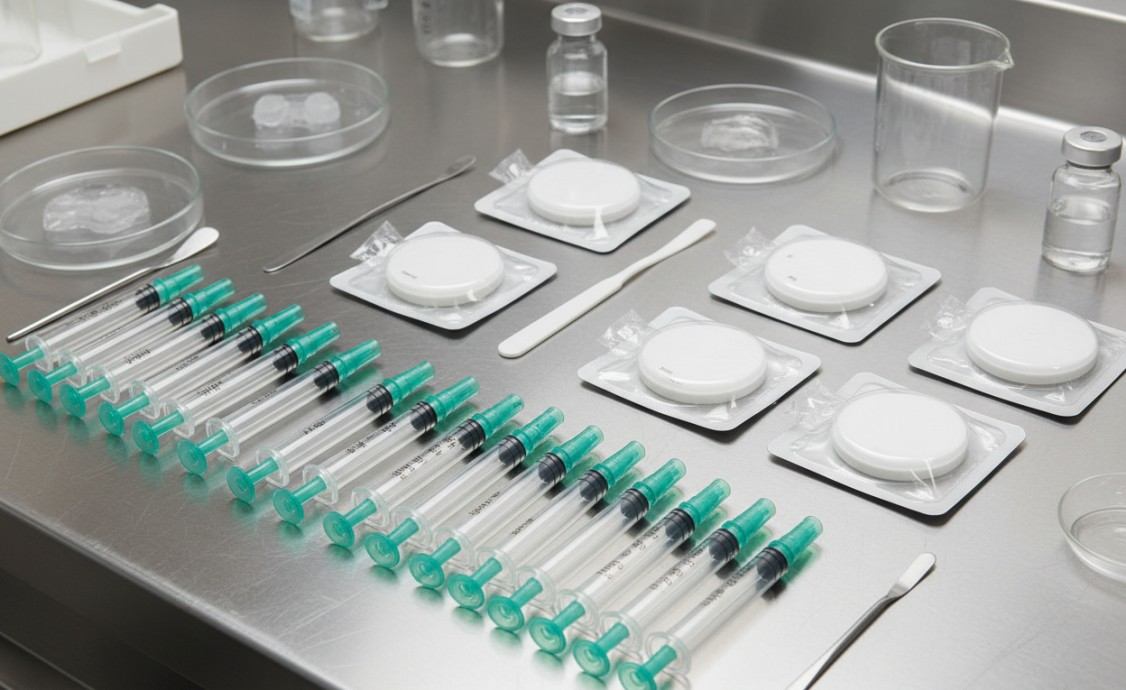 Figure 4: Sterile syringes and PES membrane filters for hydrogel precursor solution filtration and dispensing
Research and Industrial Applications
Beyond the biomedical domain that dominates academic literature, hydrogels find growing application across industrial sectors where their unique properties—water retention, stimuli responsiveness, biocompatibility, and tunable permeability—address specific technical challenges. In agricultural research, superabsorbent polyacrylate hydrogels capable of absorbing 500-1000 times their dry weight in water are investigated as soil amendments for drought-prone regions, reducing irrigation frequency and improving nutrient retention in root zones. In the coatings and adhesives industry, hydrogel-based sealants provide moisture-responsive barrier properties for packaging applications.
The emerging field of soft robotics and flexible electronics represents a particularly dynamic frontier. Conductive hydrogels incorporating poly(3,4-ethylenedioxythiophene) (PEDOT), carbon nanotubes, or silver nanowires enable stretchable sensors, artificial skin prototypes, and wearable health monitoring devices. Self-healing hydrogels with dynamic covalent or supramolecular crosslinks autonomously repair mechanical damage, extending device operational lifetimes. In environmental applications, stimuli-responsive hydrogels are explored for selective heavy metal adsorption and controlled-release pesticide formulations that minimize ecological contamination.
- 3D cell culture and organoid models: ECM-mimetic matrices for spheroid and organoid growth
- Tissue engineering scaffolds: biodegradable hydrogels for cartilage, bone, neural, skin research
- Drug delivery research: stimuli-responsive release kinetics, depot formulations
- Agricultural research: superabsorbent soil amendments, controlled nutrient release
- Flexible electronics: conductive hydrogels for stretchable sensor prototypes
- Environmental remediation: selective adsorption hydrogels for wastewater treatment
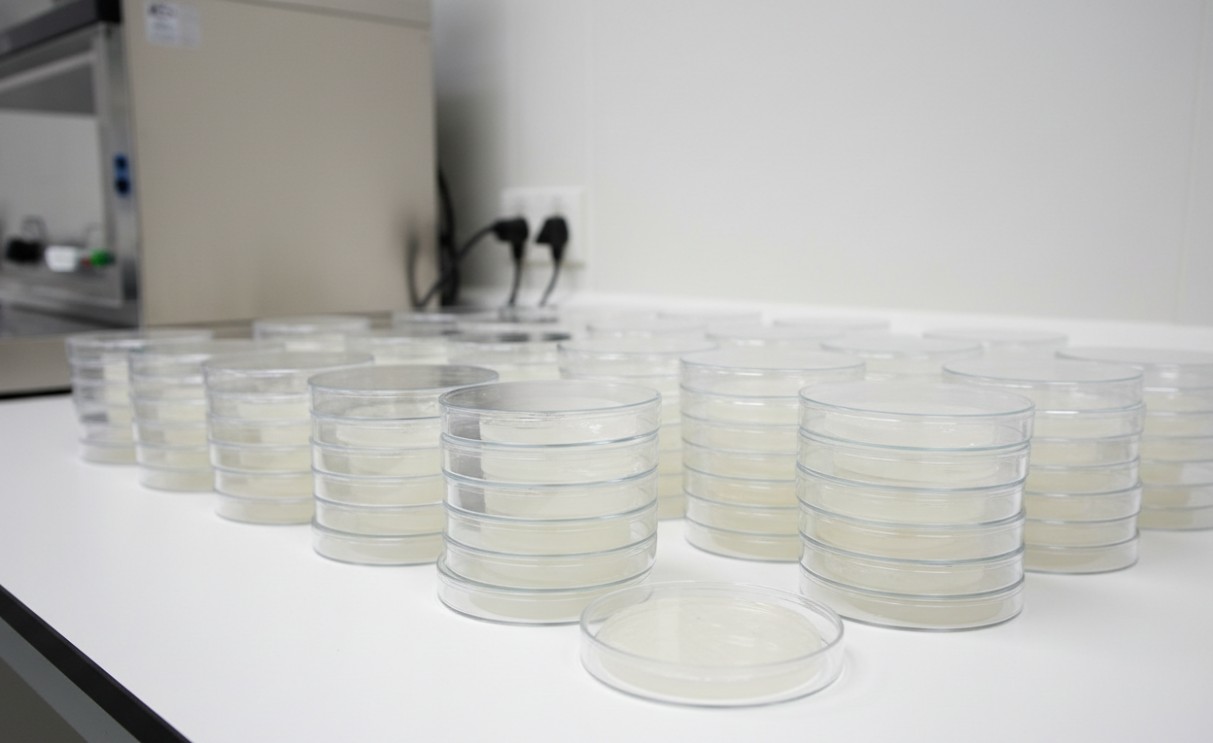 Figure 5: Cell culture plates containing hydrogel discs for three-dimensional cell culture experiments
Quality Assurance and Characterization
Hydrogel performance is exquisitely sensitive to polymer molecular weight, degree of substitution (for modified polymers), crosslinking efficiency, and purity. A batch-to-batch variation in GelMA methacrylation degree of just 10% can shift the elastic modulus by a factor of two, potentially confounding experimental results. Our quality assurance program addresses this sensitivity with comprehensive analytical characterization of every production lot. Gel permeation chromatography (GPC) confirms molecular weight distributions; proton NMR quantifies methacrylation or other functionalization degrees; and rheometry measures viscosity, storage modulus, and loss modulus across the relevant shear frequency range.
Sterility and endotoxin testing ensure suitability for cell culture applications, with all aqueous solutions and cell-contacting consumables validated to endotoxin levels below 0.5 EU/mL. Certificate of analysis documents accompany every shipment, detailing measured parameters against specified tolerances. For customers developing standardized protocols, we offer reference material lots with extended characterization including cryo-SEM micrographs of gel microstructure, swelling ratio measurements, and degradation rate data in PBS at 37°C. Custom analytical services—including dynamic mechanical analysis, compression testing, and cell viability screening—are available upon request.
Customization and Special Formulations
The diversity of hydrogel applications precludes a one-size-fits-all approach. Research programs frequently require custom formulations with specific mechanical properties, degradation profiles, or biofunctional chemistries that differ from standard catalog offerings. Our technical team welcomes inquiries for tailored hydrogel development, including custom methacrylation degrees for GelMA, specific molecular weight fractions of hyaluronic acid, blended systems combining multiple polymers for synergistic properties, and functionalized variants incorporating cell-adhesive peptides, growth factor binding domains, or conductive additives.
Scale flexibility accommodates projects ranging from exploratory research (gram quantities) through protocol standardization (kilogram batches) to pilot-scale production. We also provide electrode and mold customization services for customers developing proprietary bioprinting or electrospinning workflows. Whether your objective is to replicate a specific tissue stiffness for mechanobiology studies, engineer a novel drug release profile, or optimize printability for a custom bioprinter configuration, our applications scientists are available to assist with formulation design, process parameter optimization, and analytical validation.
| Catalog Number | Product Name | Order | Quantity |
|---|---|---|---|
| HSC-0001 | Chitosan |
-
+
|
|
| HSC-0002 | Desktop Curing Light Source (405nm) |
-
+
|
|
| HSC-0003 | Acryloyl RGD Peptide (Pep-RGDfKAC) |
-
+
|
|
| HSC-0004 | Photoinitiator LAP (250mg) |
-
+
|
|
| HSC-0005 | Photoinitiator LAP (1g) |
-
+
|
|
| HSC-0006 | Oxidized Hyaluronic Acid (OHA) |
-
+
|
|
| HSC-0007 | Oxidized Sodium Alginate (OSA) |
-
+
|
|
| HSC-0008 | Oxidized Dextran (Odex) |
-
+
|
|
| HSC-0009 | 24-Well Low-Adhesion Sterile Cell Culture Plate (20 plates/box) |
-
+
|
|
| HSC-0010 | 24-Well Low-Adhesion Sterile Cell Culture Plate (50 plates/box) |
-
+
|
For Research or Industrial Raw Materials, Not For Personal Medical Use!