

Hydrogel Materials Customized Services
Hydrogels represent one of the most versatile and biologically compatible material platforms in modern nanomedicine. Their three-dimensional, water-swollen polymer networks closely mimic the natural extracellular matrix, providing an ideal environment for cell growth, drug encapsulation, and controlled therapeutic release. At Eata Nanomaterials, we engineer custom hydrogel systems precisely tuned to the mechanical, chemical, and biological demands of your application — whether that means a soft, injectable depot for sustained drug delivery or a robust, bioactive scaffold for tissue regeneration.
Our hydrogel development capabilities span the full formulation lifecycle: polymer selection and molecular design, crosslinking strategy optimization, mechanical and rheological characterization, drug loading and release profiling, and in vitro biological validation. We work with both natural and synthetic polymer systems, offering chemical and physical crosslinking approaches, nanocomposite enhancement, and stimuli-responsive functionalization to create hydrogels that perform exactly as intended in complex biological environments.
Custom Hydrogel Formulation & Polymer Design
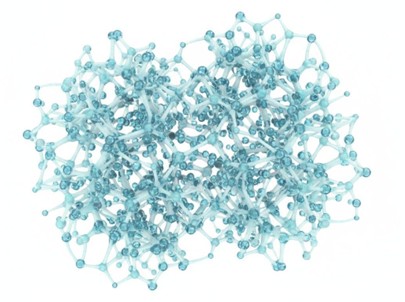 Figure 1: Three-dimensional crosslinked polymer network structure of a hydrogel with water-filled porous architecture
The foundation of any high-performing hydrogel lies in thoughtful polymer selection and molecular architecture. The type of polymer determines the gel's mechanical strength, degradation profile, biocompatibility, swelling behavior, and drug interaction characteristics. Our formulation service begins by aligning these material properties with your specific application requirements.
We develop hydrogels from a broad palette of natural, synthetic, and hybrid polymer systems. Natural polymers — including hyaluronic acid, alginate, chitosan, gelatin, collagen, fibrin, and dextran — offer inherent bioactivity, biodegradability, and excellent cell compatibility. Synthetic polymers such as poly(ethylene glycol) (PEG), poly(vinyl alcohol) (PVA), poly(N-isopropylacrylamide) (PNIPAM), and polycaprolactone (PCL) derivatives provide precise control over mechanical properties, degradation kinetics, and batch-to-batch consistency.
Key formulation parameters we optimize:
- Polymer molecular weight & concentration: Tuning viscosity, mesh size, and mechanical strength to match target tissue properties or injection force requirements.
- Crosslinking chemistry: Selection of covalent crosslinkers (glutaraldehyde, EDC/NHS, photo-initiators), ionic crosslinking (Ca2+ for alginate), or physical crosslinking (thermal, pH, enzyme-mediated) based on biocompatibility and gelation kinetics needs.
- Swelling ratio & porosity: Controlling water uptake and pore architecture to modulate drug diffusion rates, nutrient transport, and cell infiltration.
- Degradation profile: Engineering hydrolytic or enzymatic degradation timelines from days to months to match tissue remodeling rates or drug release durations.
- Mechanical properties: Rheological characterization and tuning of storage modulus, loss modulus, compressive strength, and elasticity to match native tissue mechanics.
Injectable & In Situ-Forming Hydrogel Systems
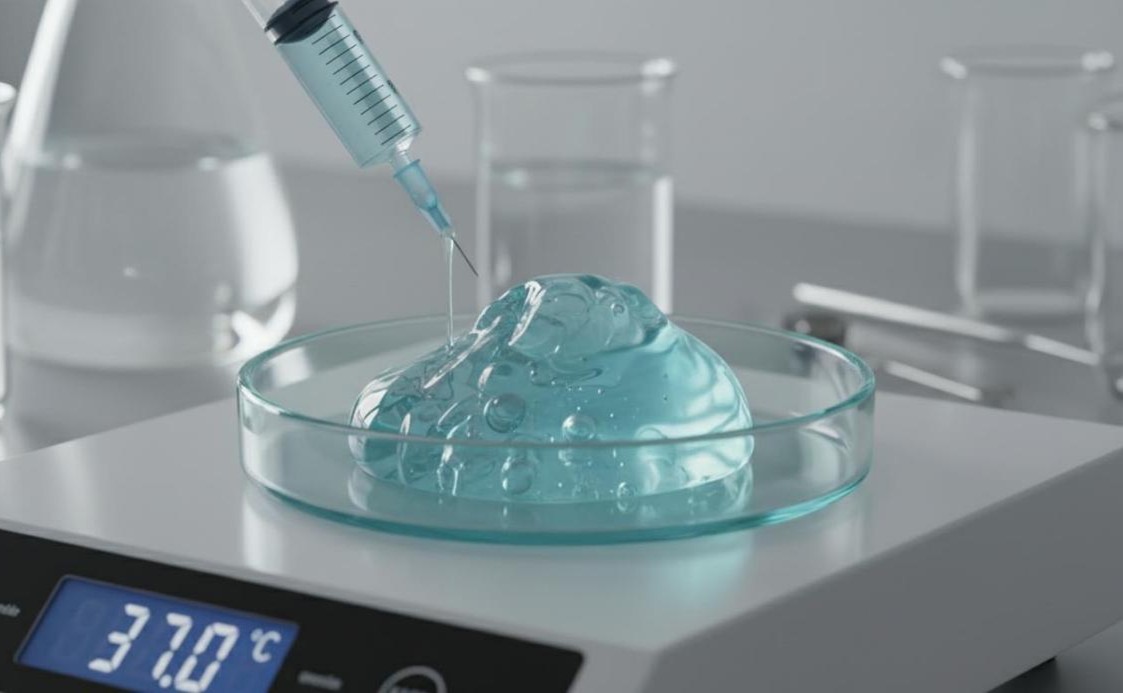 Figure 2: Thermosensitive injectable hydrogel undergoing sol-gel transition at physiological temperature
Minimally invasive delivery has become a defining requirement for next-generation therapeutics. Our injectable and in situ-forming hydrogel systems transition from a liquid state at room temperature to a solid or semi-solid gel upon injection into the body — enabling precise, localized deposition through a simple syringe without surgical implantation. This paradigm is transforming treatment approaches in drug delivery, tissue repair, and interventional medicine.
We engineer multiple classes of injectable hydrogels, each with distinct gelation triggers and application profiles. Thermosensitive systems based on PNIPAM, chitosan/beta-glycerophosphate, poloxamers, and PEG-PLA block copolymers undergo spontaneous gelation at body temperature. pH-sensitive systems transition from liquid to gel as they encounter physiological pH after injection into acidic or basic precursor solutions. Ionic crosslinking systems such as alginate/Ca2+ gel instantly upon mixing during dual-syringe delivery.
Injectable hydrogel capabilities:
- Thermogel design & optimization: Tuning lower critical solution temperature (LCST), gelation time, injectability force, and in vivo gel stability through polymer architecture and concentration optimization.
- Dual-syringe delivery systems: Engineering rapid ionic or enzymatic crosslinking upon co-injection for instant gel formation at the target site.
- Shear-thinning self-healing gels: Dynamic, physically crosslinked networks that flow under shear stress (for injection) and rapidly recover their solid state at rest — ideal for irregular defect filling.
- Osteoconductive injectable pastes: Calcium phosphate, bioactive glass, and hydroxyapatite-loaded hydrogels for minimally invasive bone defect repair.
- Sterile formulation development: Aseptic processing, endotoxin control, and terminal sterilization strategy selection to meet preclinical and clinical requirements.
Nanocomposite & Hybrid Hydrogel Development
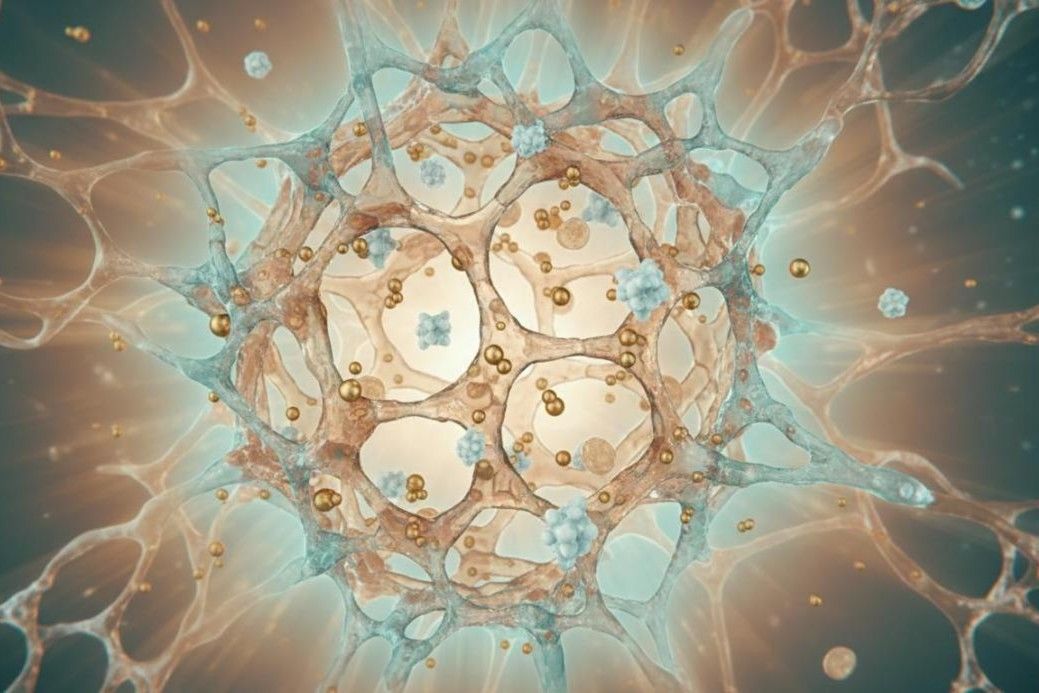 Figure 3: Nanoparticle-embedded hydrogel composite scaffold integrating gold nanoparticles and hydroxyapatite for tissue engineering
While pristine hydrogels offer excellent biocompatibility and tunable permeability, their mechanical strength and functional versatility can be significantly amplified through the incorporation of nanoscale additives. Our nanocomposite hydrogel service integrates functional nanoparticles, nanofibers, and nanoclays into hydrogel matrices to create hybrid materials with superior mechanical performance, bioactivity, electrical conductivity, and controlled drug delivery characteristics.
Nanoparticle incorporation not only reinforces the hydrogel network but also introduces entirely new functionalities. Gold nanoparticles enable photothermal therapy and imaging contrast. Magnetic iron oxide nanoparticles permit externally guided targeting and magnetic hyperthermia. Hydroxyapatite and calcium phosphate nanoparticles enhance osteoconductivity for bone regeneration. Graphene oxide and carbon nanotubes provide electrical conductivity for neural tissue engineering applications.
| Nanofiller | Function | Application |
| Gold nanoparticles | Photothermal heating, imaging contrast, antibacterial | Cancer therapy, wound disinfection, biosensing |
| Iron oxide (Fe3O4) | Magnetic targeting, MRI contrast, hyperthermia | Drug targeting, stem cell tracking, tissue repair |
| Hydroxyapatite | Osteoconduction, mineralization, mechanical reinforcement | Bone tissue engineering, dental regeneration |
| Graphene oxide / CNTs | Electrical conductivity, mechanical strength | Neural tissue engineering, cardiac patches |
| Laponite nanoclay | Self-healing, cell adhesion, protein adsorption | Wound healing, 3D cell culture, drug delivery |
| Mesoporous silica NPs | High drug loading, sustained release | Combination chemotherapy, growth factor delivery |
Stimuli-Responsive & Smart Hydrogel Systems
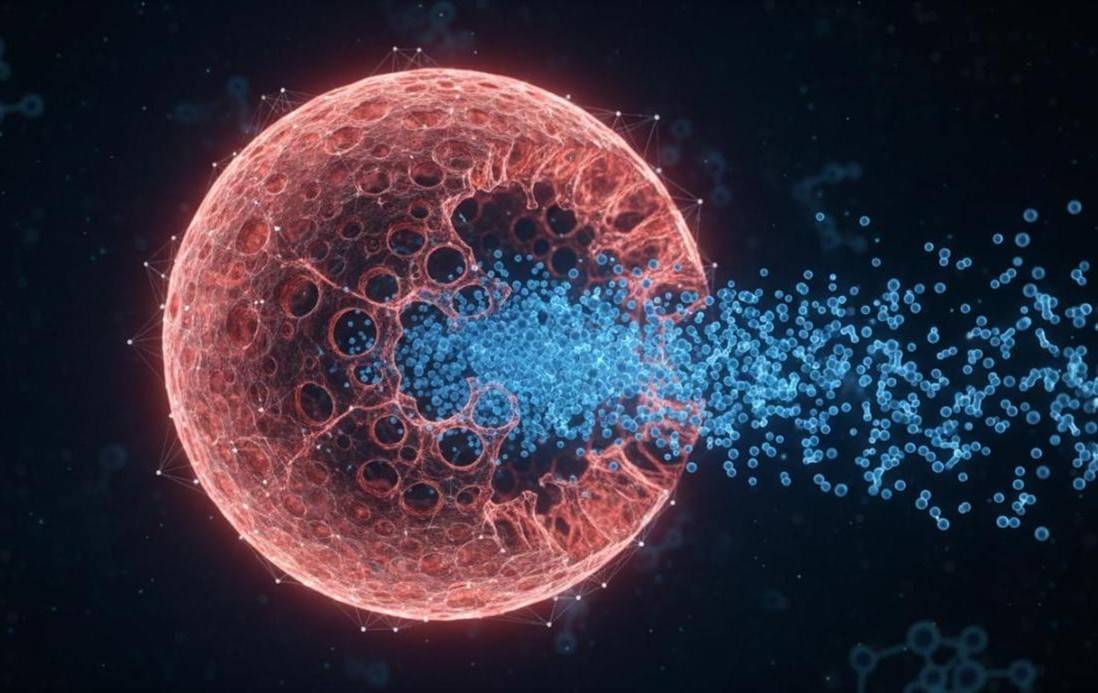 Figure 4: pH-responsive smart hydrogel undergoing structural disassembly to trigger controlled drug release in acidic microenvironment
The ability to release therapeutic payloads on-demand — rather than through passive diffusion — represents a major advancement in precision medicine. Our stimuli-responsive hydrogel engineering service creates intelligent material systems that sense and react to disease-specific biological signals or externally applied triggers, achieving spatiotemporal control over drug release that conventional formulations cannot provide.
These smart hydrogels remain stable during storage and administration, then undergo structural changes — swelling, shrinking, degradation, or shape-shifting — in response to specific stimuli at the target site. This enables precise dosing where and when it is needed, dramatically improving therapeutic outcomes while minimizing systemic side effects.
- pH-responsive hydrogels: Acid-labile crosslinkers or protonatable polymers enable drug release in acidic tumor microenvironments (pH 6.5) or endosomal compartments (pH 5.0-5.5), ideal for cancer therapy and intracellular delivery.
- Thermo-responsive hydrogels: Polymers with tunable LCST such as PNIPAM and poloxamers enable temperature-triggered sol-gel transitions for injectable depots, or on-demand release through local hyperthermia.
- Enzyme-responsive hydrogels: Peptide crosslinkers cleavable by MMPs, esterases, or hyaluronidase enable site-specific degradation in tissues with elevated enzyme activity — notably tumors and inflamed sites.
- Redox-responsive hydrogels: Disulfide bond-based crosslinking that rapidly dissolves in the high-glutathione intracellular environment, triggering burst release upon cell entry.
- Dual and multi-responsive systems: Combinations of pH, temperature, redox, and enzyme sensitivities for enhanced specificity and fail-safe drug delivery in complex pathological environments.
Hydrogel-Based Drug Delivery System Development
Hydrogels are exceptionally well-suited as drug delivery platforms due to their high water content, biocompatibility, tunable porosity, and capacity for sustained release. We develop hydrogel-based drug delivery systems for a wide variety of therapeutic agents — from small molecule drugs and peptides to proteins, nucleic acids, and even live cells — optimizing loading efficiency, release kinetics, and bioactivity preservation for each payload type.
Drug delivery capabilities:
- Sustained release depots: Hydrogel implants and injectable depots that release drugs over days to weeks through diffusion-mediated and degradation-controlled mechanisms — ideal for chronic disease management and post-surgical pain control.
- Local chemotherapy: Intratumoral hydrogel injections and implantable wafers for high-dose, localized anticancer drug delivery with minimal systemic toxicity.
- Growth factor delivery: Gentle encapsulation of BMP-2, VEGF, FGF, and other sensitive proteins in heparin-binding or affinity peptide-modified hydrogels for tissue regeneration applications.
- Nucleic acid delivery: Cationic hydrogel networks that complex with and protect DNA, siRNA, and mRNA while promoting cellular uptake and endosomal escape.
- Transdermal delivery: Mucoadhesive and permeation-enhancing hydrogel patches for non-invasive drug administration through skin or mucosal surfaces.
Tissue Engineering Scaffold & Wound Healing Hydrogels
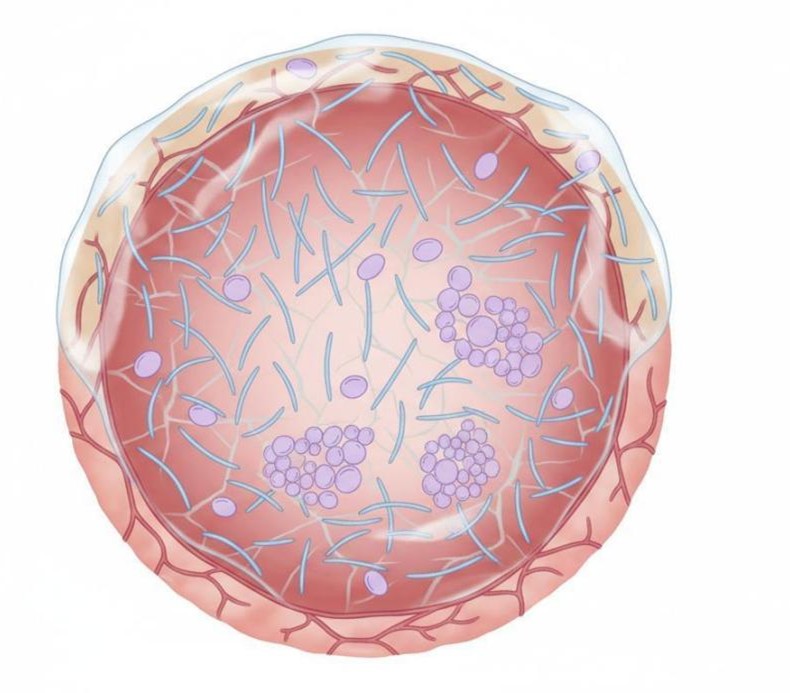 Figure 5: Hydrogel wound dressing promoting tissue regeneration by maintaining moist environment and supporting cell migration
The structural and compositional similarities between hydrogels and natural extracellular matrix make them exceptional scaffolds for tissue engineering and wound healing applications. Our tissue engineering hydrogel service focuses on creating 3D microenvironments that actively promote cell adhesion, proliferation, differentiation, and tissue morphogenesis while providing the mechanical support necessary for functional tissue formation.
For wound healing, we formulate hydrogel dressings that maintain optimal moisture balance, absorb excess exudate, prevent bacterial infection, and deliver therapeutic agents such as antibiotics, growth factors, and anti-inflammatory compounds directly to the wound bed. Our advanced wound care hydrogels can be designed as pre-formed sheets, sprayable formulations, or injectable systems for irregular wound geometries.
Tissue engineering & wound healing services:
- ECM-mimetic scaffolds: Collagen, gelatin, hyaluronic acid, and fibrin-based hydrogels with tunable stiffness and degradability for cartilage, bone, skin, and neural tissue engineering.
- 3D bioprintable bioinks: Shear-thinning, self-supporting hydrogel formulations optimized for extrusion-based and stereolithographic bioprinting with high cell viability.
- Antimicrobial hydrogels: Silver nanoparticle-loaded, quaternary ammonium-functionalized, or antibiotic-impregnated hydrogels for infection prevention in wound dressings and surgical implants.
- Cell-laden hydrogels: Encapsulation of mesenchymal stem cells, chondrocytes, fibroblasts, or neural progenitor cells within protective, nutrient-permeable hydrogel matrices for cell therapy and organoid development.
- Hemostatic hydrogels: Chitosan-based and silicate nanoparticle-reinforced hydrogels with rapid gelation and clot-promoting properties for trauma and surgical hemostasis.
Comprehensive Hydrogel Characterization
Thorough characterization is essential to ensure that every hydrogel meets its intended performance specifications and maintains batch-to-batch consistency. Our analytical platform covers the full spectrum of physicochemical, mechanical, and biological assessments required for robust quality control and informed formulation development.
| Property | Method | Purpose |
| Gelation kinetics | Tube inversion, rheology, vial tilting | Determine sol-gel transition time and temperature |
| Mechanical strength | Rheometer, compression test, tensile test | Storage/loss modulus, compressive/tensile strength |
| Swelling behavior | Gravimetric analysis | Equilibrium swelling ratio, kinetics, pH dependence |
| Morphology & porosity | SEM, Micro-CT, mercury porosimetry | Pore size, interconnectivity, architecture |
| Degradation profile | In vitro hydrolysis, enzymatic degradation | Mass loss, molecular weight change over time |
| Drug loading & release | HPLC, UV-Vis, fluorescence | Loading efficiency, release kinetics, burst effect |
| Biocompatibility | Cell viability, Live/Dead, hemolysis assays | Cytotoxicity, cell adhesion, blood compatibility |
| Sterility & endotoxin | LAL test, microbial limit testing | Safety assessment for in vivo applications |
Transform Your Therapeutic Vision into Engineered Hydrogel Reality
Get in touch with Eata Nanomaterials to discuss your hydrogel development needs. Our polymer scientists and formulation specialists are ready to design a custom research program that brings your drug delivery, tissue engineering, or wound care application from concept to validated prototype.