

Products
- High-Quality Graphene
- CVD Graphene, Graphene-Like Materials
- Graphene-Like Series
- Defect-Free Single-Crystal Graphene and Graphene-Like Materials (Mechanical Exfoliation)
- Quantum Dot Series
- Aggregation-Induced Emission (AIE)
- Near-Infrared II (NIR-II) Fluorescent Dyes
- Graphdiyne
- Two-Dimensional Transition Metal Carbides/Nitrides/Borides (MXene)
- Metal Nanomaterials and Other Functional Bio-Nanomaterials
- Metal-Organic Frameworks (MOF)
- Covalent Organic Frameworks (COF)
- Two-Dimensional Layered Metal Oxides (LDH)
- Carbon Nanotube Powders, Pastes
- Carbon Nanotube Arrays and Special Carbon Nanotube Materials
- High-Quality Metallic and Semiconducting High-Purity Single-Walled Carbon Nanotubes
- Carbon Nanotube Sponges
- Mesoporous Carbon and Carbon Nanomaterials
- High-Quality Fullerenes
- One-Dimensional Nanomaterials
- Molecular Sieves
- Inorganic Nanomaterials
- Perovskite Materials
- Highly Oriented Pyrolytic Graphite (HOPG)
- Organic Materials
- Single-Atom Catalysts
- Thermoelectric Materials
- Sodium Storage Materials
- Industrial-Grade Nanomaterials
- Solid-State Lithium Batteries
- Hydrogel Series and Consumables
Online Inquiry
Industrial-Grade Nanomaterials
Industrial-grade nanomaterials have evolved from laboratory-scale curiosities into essential building blocks of modern manufacturing, finding their way into everything from weather-resistant architectural coatings and high-performance tires to semiconductor substrates and grid-scale battery electrodes. The global market for advanced functional materials—of which nanomaterials represent the fastest-growing segment—reached approximately $139 billion in 2025 and is projected to expand at a compound annual growth rate exceeding 7.4% through 2030. This momentum is propelled by three converging forces: the maturation of scalable synthesis routes that have driven production costs below 10 euros per kilogram for several commodity nanomaterials; tightening regulatory frameworks that favor low-toxicity, high-efficiency additives over legacy chemistries; and the relentless pursuit of performance optimization across automotive, electronics, energy, and construction industries.
What distinguishes industrial-grade nanomaterials from their research-grade counterparts is not merely a question of production volume, but a comprehensive quality architecture encompassing batch-to-batch consistency, precisely controlled particle size distributions, surface chemistry engineered for specific host matrices, and documented compliance with industrial safety and environmental standards. A tire manufacturer incorporating nano zinc oxide into a vulcanization recipe cannot tolerate the variability that a research group might accept when screening novel compositions; similarly, an electronics fabricator integrating alumina ceramic substrates requires material certificates that document dielectric strength, thermal conductivity, and purity levels with unambiguous traceability. We supply nanomaterials engineered for these exacting industrial contexts, bridging the gap between fundamental nanoscience and reproducible manufacturing performance.
Our portfolio addresses the full spectrum of industrial nanomaterial requirements, from high-volume metal oxide powders and ceramic precursors to specialized carbon nanomaterials and functionalized nanocomposites. Leveraging partnerships with ISO-certified production facilities equipped with continuous-flow hydrothermal reactors, flame spray pyrolysis systems, and chemical vapor deposition chambers, we supply materials at scales ranging from kilogram pilot-line batches to multi-tonne commercial orders. Every material is accompanied by a certificate of analysis documenting particle size distribution, surface area, crystallographic phase purity, and relevant functional performance metrics.
 Figure 1: High-purity titanium dioxide nanopowder for coatings, photocatalysis, and polymer applications
Metal Oxide Nanopowders
Titanium Dioxide (TiO₂) Nanoparticles
Titanium dioxide ranks among the most widely produced nanomaterials worldwide, with global output measured in hundreds of thousands of tonnes annually. Nanometric TiO₂ (primary particle size below 250 nm) exhibits a distinctive combination of high refractive index, strong UV absorption, and photocatalytic activity that underpins applications spanning architectural paints, self-cleaning building facades, UV-protective plastics, and solar energy harvesting. Two crystallographic polymorphs dominate industrial applications: anatase, prized for superior photocatalytic performance and favored in environmental remediation and solar cell applications; and rutile, offering higher refractive index and chemical stability, preferred for pigmentary and UV-shielding formulations.
Our TiO₂ nanopowders are manufactured via controlled precipitation and calcination processes, yielding primary particles of 20-100 nm with tunable anatase-to-rutile ratios and optional surface treatments including Al₂O₃ and SiO₂ coatings that suppress photocatalytic activity for UV-filter applications where substrate degradation must be avoided. Available grades span photocatalytic (high anatase content, uncoated), UV-shielding (surface-treated, low photocatalytic activity), and pigmentary (optimized opacity and whiteness) formulations. Typical applications include exterior architectural coatings with self-cleaning functionality, UV-protective masterbatches for polyethylene and polypropylene films, photocatalytic air purification media, and dye-sensitized solar cell electrodes.
- Photocatalytic grade: >99% anatase, 20-40 nm, surface area 50-80 m²/g
- UV-shielding grade: Al₂O₃/SiO₂ coated, 30-60 nm, suppressed photocatalytic activity
- Pigmentary grade: rutile-dominant, 100-250 nm, optimized opacity
- Available treatments: alumina, silica, zirconia, organosilane surface modifications
 Figure 2: Selection of industrial-grade nanomaterial powders including TiO₂, ZnO, Fe₂O₃, carbon black, and nano-silica
Zinc Oxide (ZnO) Nanoparticles
Nano zinc oxide has established itself as a versatile functional additive across the rubber, coatings, and antimicrobial sectors, capitalizing on its broad-band UV absorption, antibacterial efficacy, and catalytic activity in vulcanization chemistry. At the nanoscale, ZnO particles with diameters of 10-100 nm deliver substantially enhanced performance compared to conventional micron-sized grades: in rubber compounding, nano ZnO achieves 30% higher crosslink density at addition levels of 1-3 phr versus 3-8 phr for industrial-grade ZnO, translating to improved tensile strength, abrasion resistance, and heat aging stability in tires, conveyor belts, and industrial seals. In coatings and plastics, the transparency of properly dispersed nano ZnO enables UV protection without the whitening associated with larger particles.
Our ZnO nanopowders are synthesized via controlled chemical precipitation followed by calcination, yielding particles of 20-80 nm with purity exceeding 99.8% and heavy metal impurity levels below REACH-compliant thresholds (lead <50 ppm, cadmium <5 ppm). Available morphologies include near-spherical particles for general-purpose applications and high-aspect-ratio flake structures optimized for antimicrobial efficacy. Surface modifications with silane coupling agents or fatty acid coatings enhance dispersibility in hydrophobic polymer matrices and reduce dusting during compounding operations.
- General-purpose grade: 20-50 nm spherical, >99.8% purity, rubber and coating applications
- Antimicrobial grade: flake-like morphology, enhanced bacterial membrane disruption
- Surface-modified grade: silane or fatty acid coating for polymer matrix compatibility
- Low heavy metal grade: Pb <50 ppm, Cd <5 ppm, REACH/RoHS compliant
Aluminum Oxide (Al₂O₃) Nanoparticles
Nano alumina constitutes a cornerstone of advanced ceramic fabrication, abrasive technology, and electronic packaging, leveraging its exceptional combination of hardness (Mohs 9), thermal stability to 1700°C, chemical inertness, and dielectric strength. Nanoparticulate alumina with primary sizes below 100 nm enables the production of high-density ceramics with grain sizes in the submicron regime, yielding mechanical strengths and wear resistances unattainable with conventional micron-sized starting powders. In electronics, high-purity alumina (99.5-99.8%) serves as the substrate material of choice for thick-film and thin-film circuit applications, LED packages, and power module insulators.
- α-Al₂O₃ nanopowder: 50-200 nm, >99.5% purity, ceramic and abrasive applications
- γ-Al₂O₃ nanopowder: 10-50 nm, high surface area, catalyst support and adsorbent
- High-purity ceramic grade: 99.7-99.8%, sintering aid additives available
- Available phases: alpha, gamma, transitional aluminas for specific sintering profiles
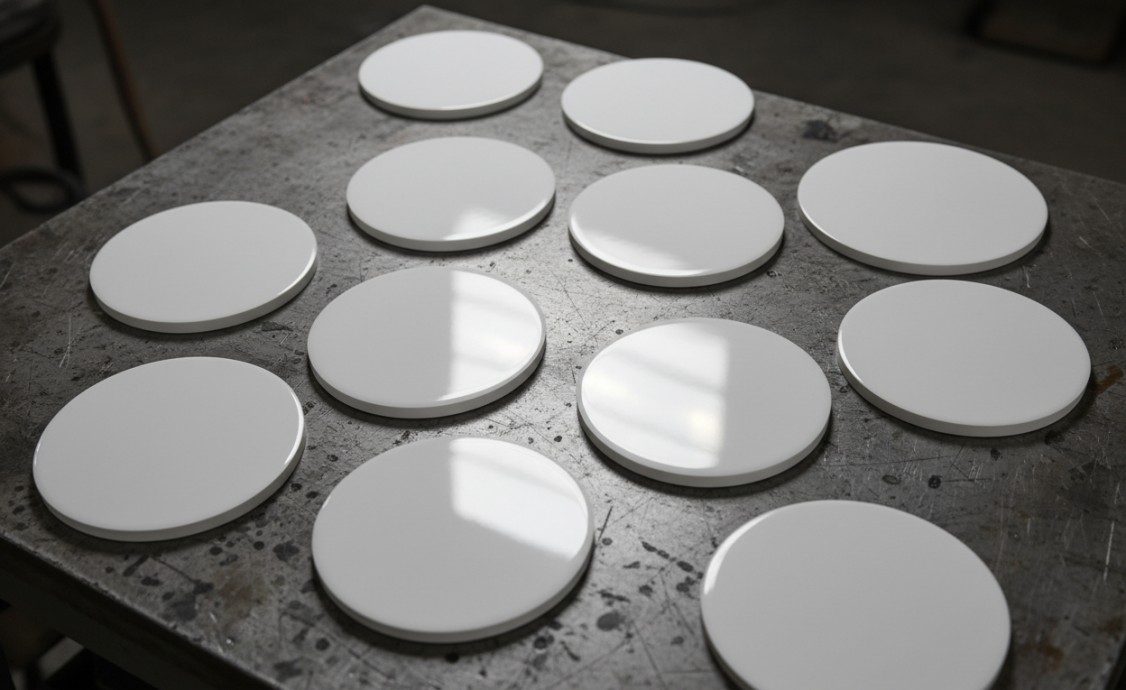 Figure 3: Precision-machined alumina ceramic substrates for electronics and industrial applications
Nano-Silica and Nanocomposites
Fumed and precipitated nano-silicas have become indispensable additives in coatings, adhesives, composites, and construction materials, where their enormous specific surface area (50-650 m²/g), surface reactivity, and ability to form three-dimensional networks within host matrices translate into tangible performance enhancements. In epoxy and polyurethane coatings, hydrophilic nano-silica at loadings of 1-5 wt% imparts scratch resistance, anti-blocking, and thixotropic behavior without compromising optical clarity. In concrete and cementitious systems, nano-silica acts as a pozzolanic filler that densifies the microstructure, reducing permeability and enhancing compressive strength by 15-30% at addition levels of 1-3% by cement weight. In elastomer composites, surface-treated nano-silica serves as a reinforcing filler that delivers tensile strengths comparable to carbon black with the added benefit of transparency for colored rubber products.
We supply both hydrophilic and hydrophobic nano-silica grades, with surface treatments including dimethylsilyl, octylsilyl, and amino-functional groups that tailor particle-matrix interactions for specific polymer systems. Dispersion concentrates in epoxy, polyester, and waterborne resin vehicles are available for customers seeking to circumvent the challenges of incorporating high-surface-area powders directly into viscous formulations. For concrete and construction applications, we offer colloidal silica suspensions with particle sizes of 5-50 nm that distribute uniformly throughout the cement paste without the agglomeration issues associated with dry powder incorporation.
- Hydrophilic fumed silica: 200-380 m²/g BET, coating and adhesive rheology control
- Hydrophobic fumed silica: surface-treated, polymer composite reinforcement
- Colloidal silica suspension: 5-50 nm particles, 30-40% solids, concrete enhancement
- Dispersion concentrates: pre-dispersed in epoxy, polyester, and waterborne vehicles
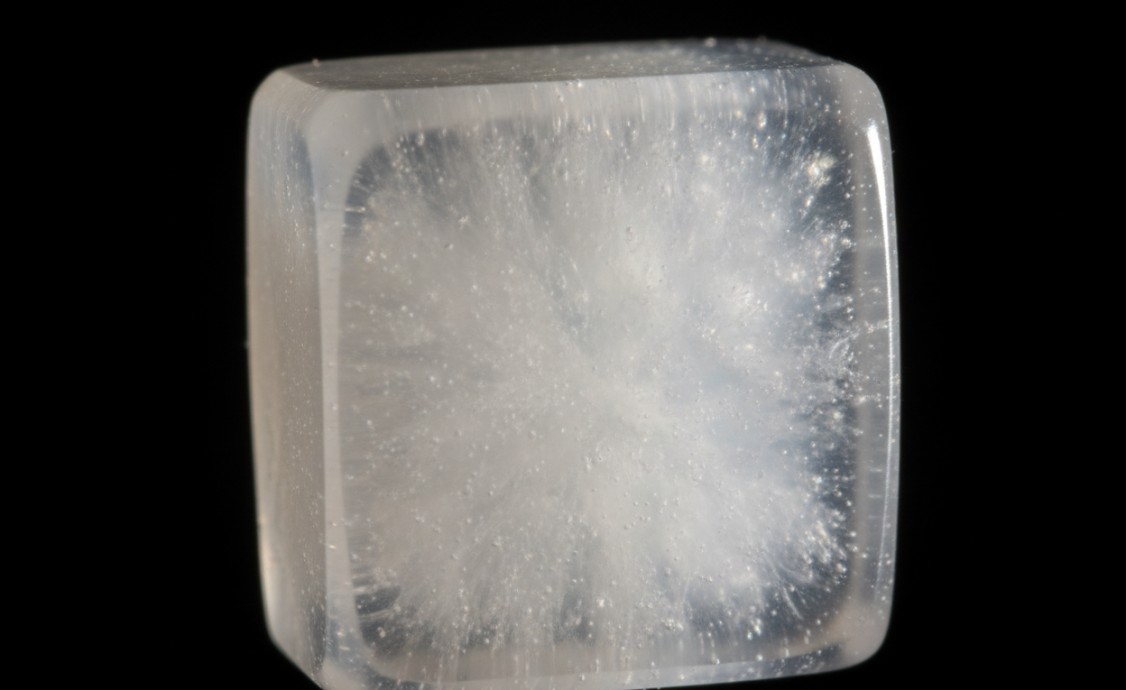 Figure 4: Transparent epoxy resin composite containing uniformly dispersed nano-silica particles
Carbon-Based Nanomaterials for Industry
Carbon nanotubes, graphene nanoplatelets, and carbon nanofibers have transitioned from specialty research materials to industrially relevant additives, with global CNT production capacity reaching approximately 5,000 tonnes per year in 2023 and projected to grow at over 10% annually. These high-aspect-ratio carbon allotropes excel at creating percolating conductive networks within polymer, ceramic, and metal matrices at loadings far below those required with conventional carbon black, enabling electrically conductive composites with minimal impact on mechanical properties and processability. In lithium-ion battery electrodes, multi-wall CNTs enhance electrode cohesion and electronic conductivity, contributing to longer cycle life and higher rate capability. In automotive and aerospace polymer composites, graphene nanoplatelets improve mechanical properties, thermal conductivity, and barrier performance against gases and liquids.
Our carbon nanomaterials portfolio encompasses multi-wall carbon nanotubes (MWCNTs) with diameters of 10-30 nm and lengths of 5-20 μm, available as pristine powders, chemically functionalized variants (–COOH, –OH), and ready-to-use masterbatches in thermoplastic and thermoset resin carriers at 10-20% loadings. Graphene nanoplatelets with lateral dimensions of 1-10 μm and thicknesses of 3-15 nm are supplied as dry powders or dispersions in water, NMP, and various organic solvents. For applications requiring intermediate performance at lower cost, carbon nanofiber grades with diameters of 100-200 nm provide an economical alternative to CNTs for conductive and reinforcing applications.
- MWCNT powder: 10-30 nm diameter, >95% purity, conductive and mechanical reinforcement
- Functionalized MWCNT: carboxyl or hydroxyl terminated, enhanced matrix dispersion
- Graphene nanoplatelets: 1-10 μm lateral size, 3-15 nm thickness, thermal conductivity
- Masterbatches: 10-20% CNT in PP, PA, PC, epoxy, and waterborne carriers
- Carbon nanofibers: 100-200 nm diameter, cost-effective conductive additive
Industrial Application Sectors
The versatility of nanomaterials stems from their ability to simultaneously modify multiple properties of a host material—mechanical, thermal, electrical, optical, chemical—often at loadings below 5% by weight. In the coatings industry, nanomaterial-enabled formulations now dominate segments including scratch-resistant automotive clearcoats, anti-corrosion marine primers, self-cleaning architectural paints, and anti-fouling marine coatings. In plastics compounding, nano-silica and nano-clay additives have enabled thinner, lighter packaging films with maintained barrier performance, while CNT masterbatches support the growing market for electrostatically dissipative components in electronics handling and hazardous material transport.
Construction represents one of the largest addressable markets for industrial nanomaterials, with nano-silica, nano-titania, and nano-calcium carbonate additives finding application in high-performance concrete, self-cleaning building surfaces, energy-efficient window coatings, and anti-microbial interior finishes. The textile industry incorporates nano-ZnO and nano-Ag for UV protection and antibacterial functionality in sportswear, medical fabrics, and outdoor furnishings. In the energy sector, nanomaterials contribute to photovoltaic cell efficiency, battery electrode performance, and catalyst activity in fuel processing and emission control systems.
- Coatings and paints: scratch resistance, UV protection, self-cleaning, anti-corrosion
- Plastics and polymers: barrier enhancement, conductivity, flame retardancy, reinforcement
- Construction materials: high-performance concrete, self-cleaning facades, insulating coatings
- Textiles: UV protection, antibacterial treatment, water and stain repellency
- Energy: battery electrodes, photovoltaic materials, fuel cell catalysts
- Electronics: conductive inks, ceramic substrates, electromagnetic shielding
 Figure 5: Continuous-flow production facility for industrial-scale nanomaterial synthesis
Quality Assurance and Industrial Standards
Industrial applications of nanomaterials demand a quality infrastructure that extends beyond academic-style characterization to encompass production-scale consistency, regulatory compliance documentation, and application-specific performance validation. Our quality management system integrates in-process analytical controls at every production stage—from precursor verification and synthesis parameter monitoring to post-processing characterization and final release testing. Particle size distributions are quantified by laser diffraction (dry and wet dispersion) and dynamic light scattering, specific surface areas by nitrogen adsorption (BET), and crystallographic phase purity by powder X-ray diffraction. Chemical composition is verified by ICP-OES or XRF spectroscopy, and trace organic contaminants are screened by thermogravimetric analysis.
For customers operating in regulated industries, we provide comprehensive documentation packages including material safety data sheets (SDS), REACH registration summaries, RoHS/REACH heavy metal compliance certificates, and application-specific test reports. Our production partners maintain ISO 9001 quality management and ISO 14001 environmental management certifications, with selected facilities additionally qualified to IATF 16949 automotive industry standards. Custom analytical services—including TEM imaging for particle morphology, XPS for surface chemistry analysis, and application-specific performance testing—are available upon request to support customer qualification processes.
Customization and Technical Support
Industrial nanomaterial procurement is rarely a simple matter of selecting from a catalog. Each application imposes a unique set of constraints—viscosity limits in coating formulations, dispersion stability requirements in waterborne systems, thermal budget restrictions in polymer processing, or surface energy matching in composite fabrication—that often necessitate material modifications beyond standard offerings. Our technical team works directly with customer R&D and manufacturing engineers to develop tailored nanomaterial solutions, adjusting parameters including particle size distribution, surface functionalization, dispersibility, and agglomeration state to achieve target performance metrics in the end-use application.
Custom synthesis capabilities span co-precipitation with controlled dopant incorporation, sol-gel processing for mixed-metal oxide compositions, surface grafting with silane or polymer coupling agents, and spray-drying of nanoparticle suspensions into free-flowing granules for dust-free handling. We support scale-up from initial sample evaluation (100 g–1 kg) through pilot-line validation (10–100 kg) to commercial supply contracts (tonnage quantities), with flexible packaging options from laboratory bottles to bulk bags. For customers navigating the complexities of nanomaterial integration for the first time, our applications laboratory offers formulation development services, including dispersion optimization, stability testing, and prototype performance evaluation.
| Catalog Number | Product Name | Order | Quantity |
|---|---|---|---|
| IGN-0001 | Industrial-Grade Monolayer Reduced Graphene Oxide (rGO), 98% Purity |
-
+
|
|
| IGN-0002 | High-Quality Multi-Walled Carbon Nanotubes (MWCNTs), 5-20 nm Diameter |
-
+
|
|
| IGN-0003 | High-Quality Multi-Walled Carbon Nanotubes (MWCNTs), 4-10 nm Diameter |
-
+
|
|
| IGN-0004 | High-Quality Multi-Walled Carbon Nanotubes (MWCNTs), 5-15 nm Diameter |
-
+
|
|
| IGN-0005 | High-Quality Multi-Walled Carbon Nanotubes (MWCNTs), 3-9 nm Diameter |
-
+
|
|
| IGN-0006 | High-Quality Multi-Walled Carbon Nanotubes (MWCNTs), 18-40 nm Diameter |
-
+
|
|
| IGN-0007 | High-Quality Multi-Walled Carbon Nanotubes (MWCNTs), 8-20 nm Diameter |
-
+
|
|
| IGN-0008 | High-Quality Multi-Walled Carbon Nanotubes (MWCNTs), 15-30 nm Diameter |
-
+
|
|
| IGN-0009 | High-Quality Multi-Walled Carbon Nanotubes (MWCNTs), 6-15 nm Diameter, Short Length |
-
+
|
|
| IGN-0010 | High-Quality Multi-Walled Carbon Nanotubes (MWCNTs), 6-15 nm Diameter, Long Length |
-
+
|
For Research or Industrial Raw Materials, Not For Personal Medical Use!